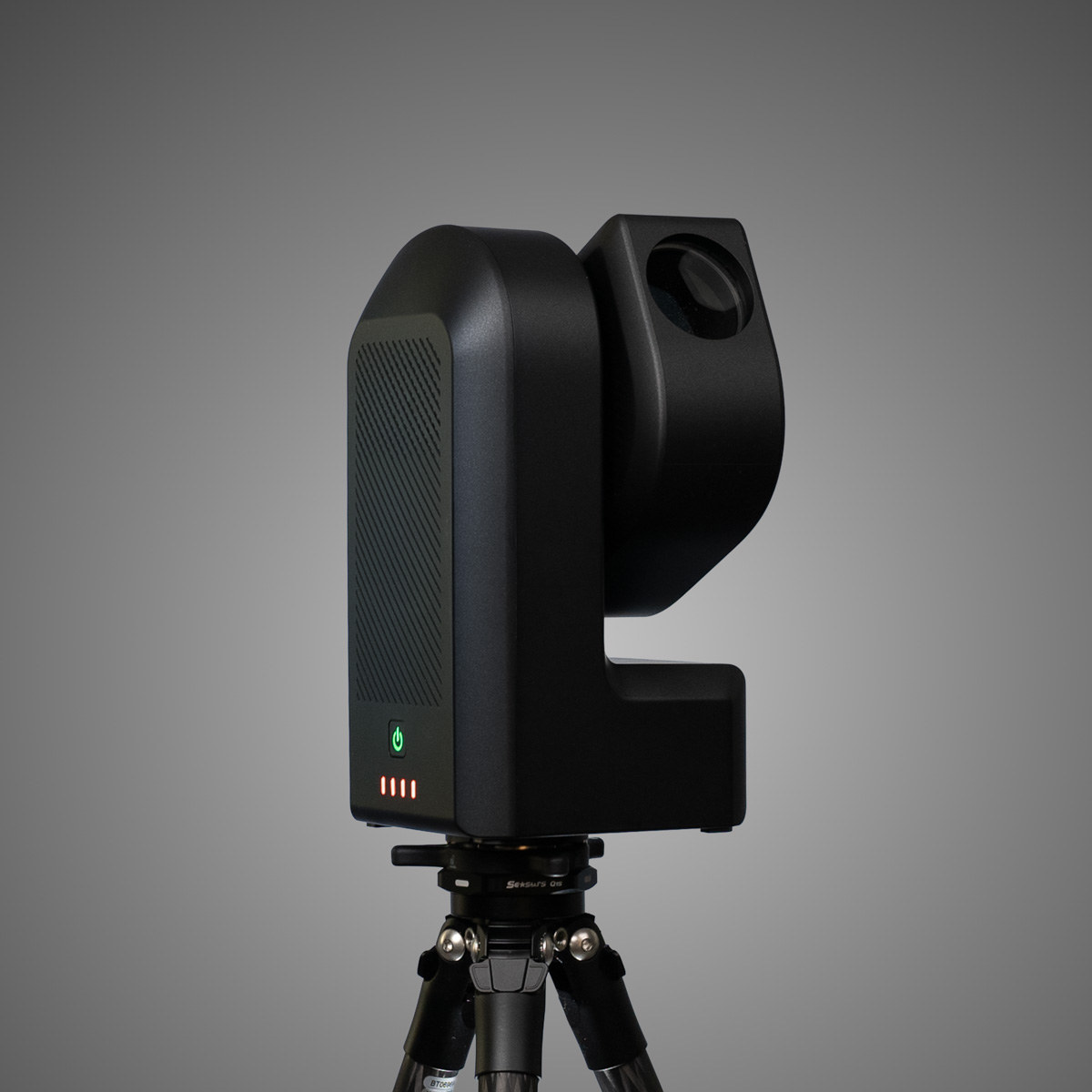
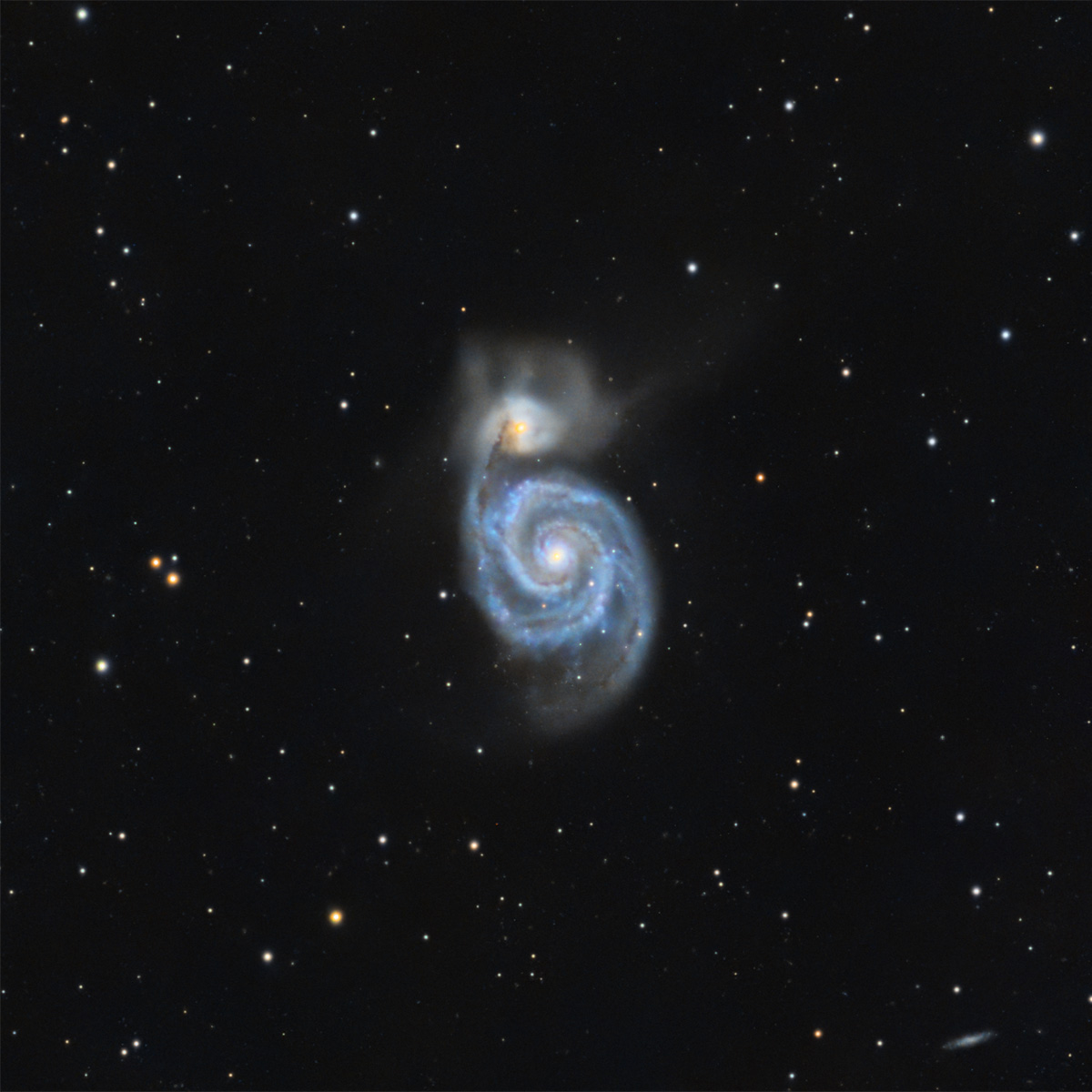
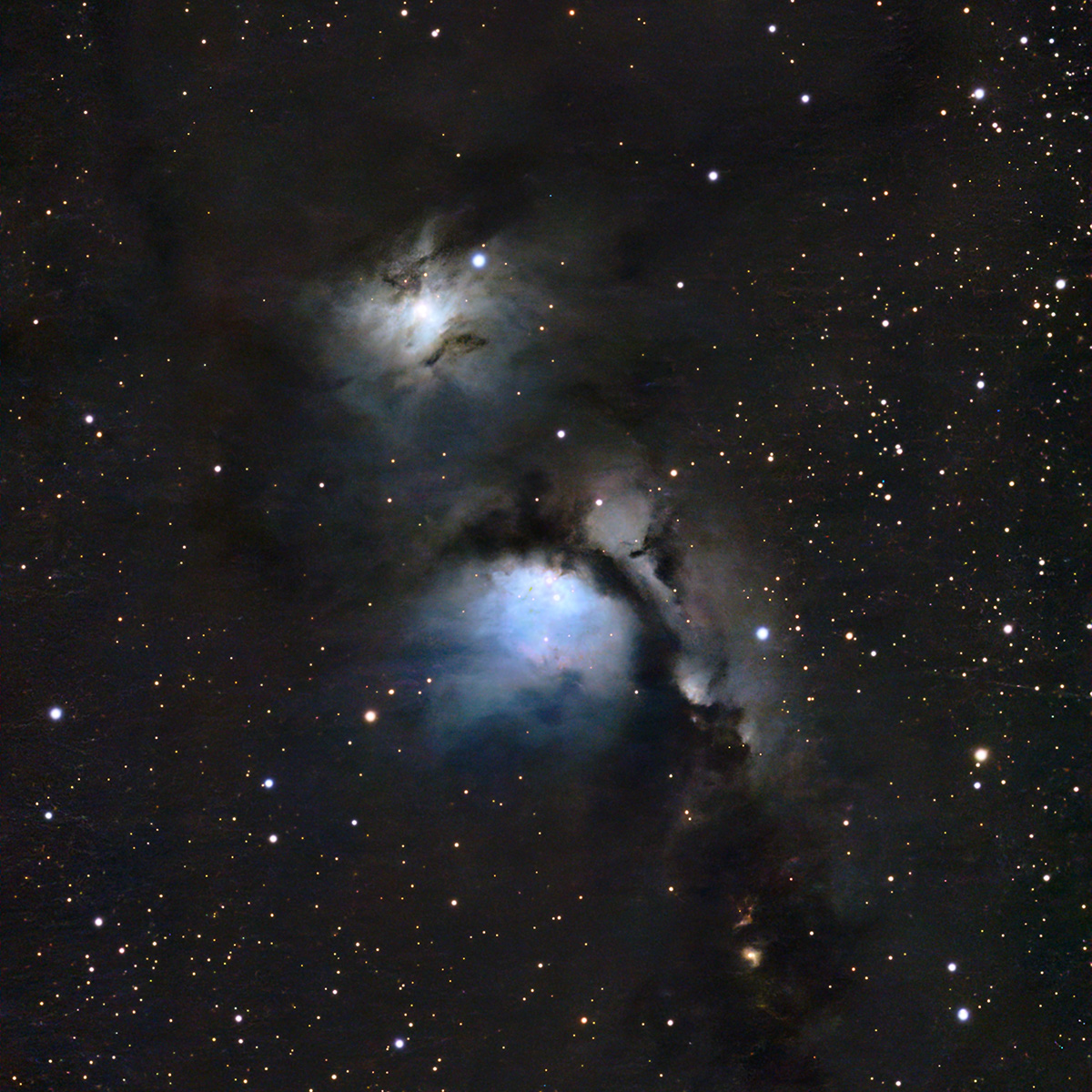
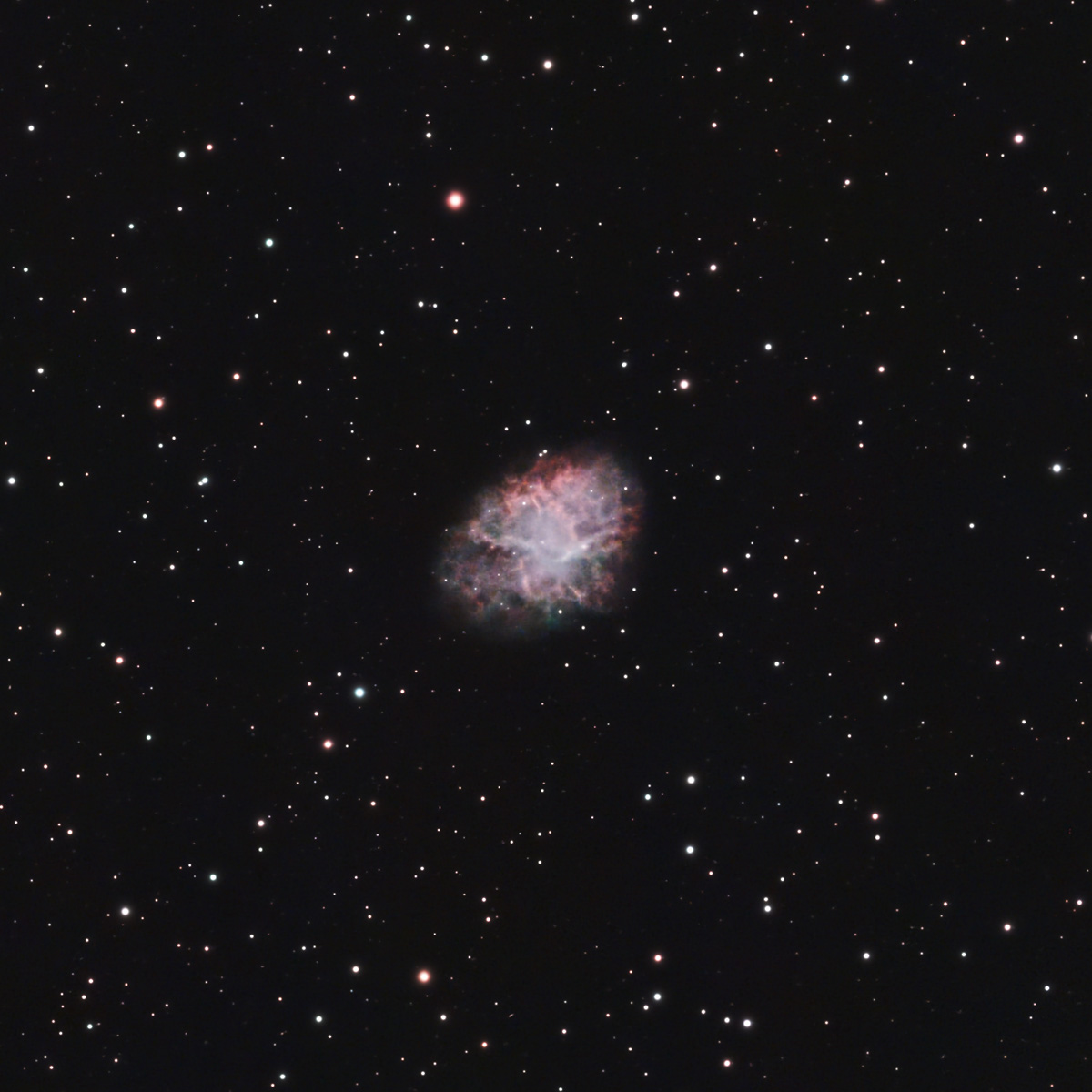
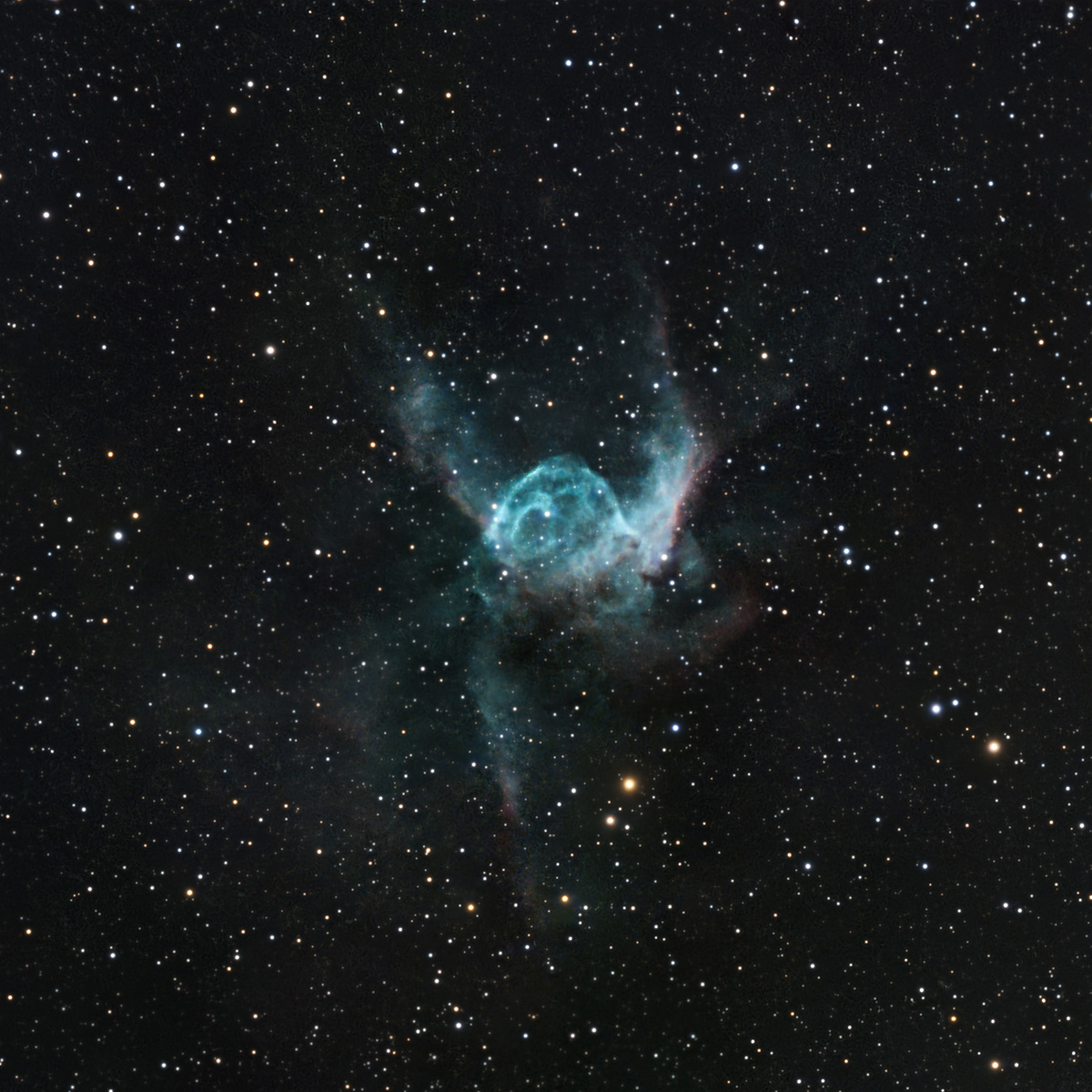
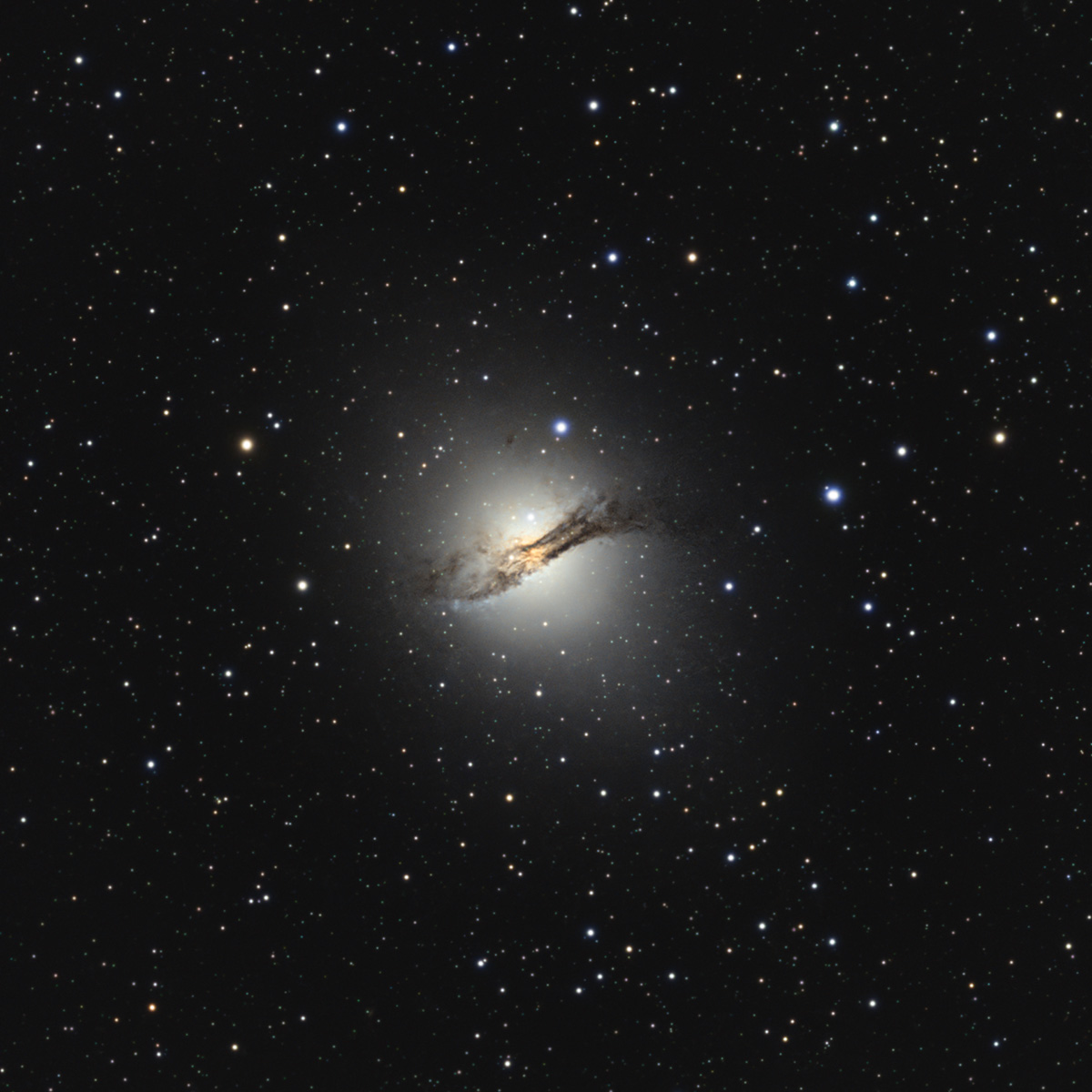
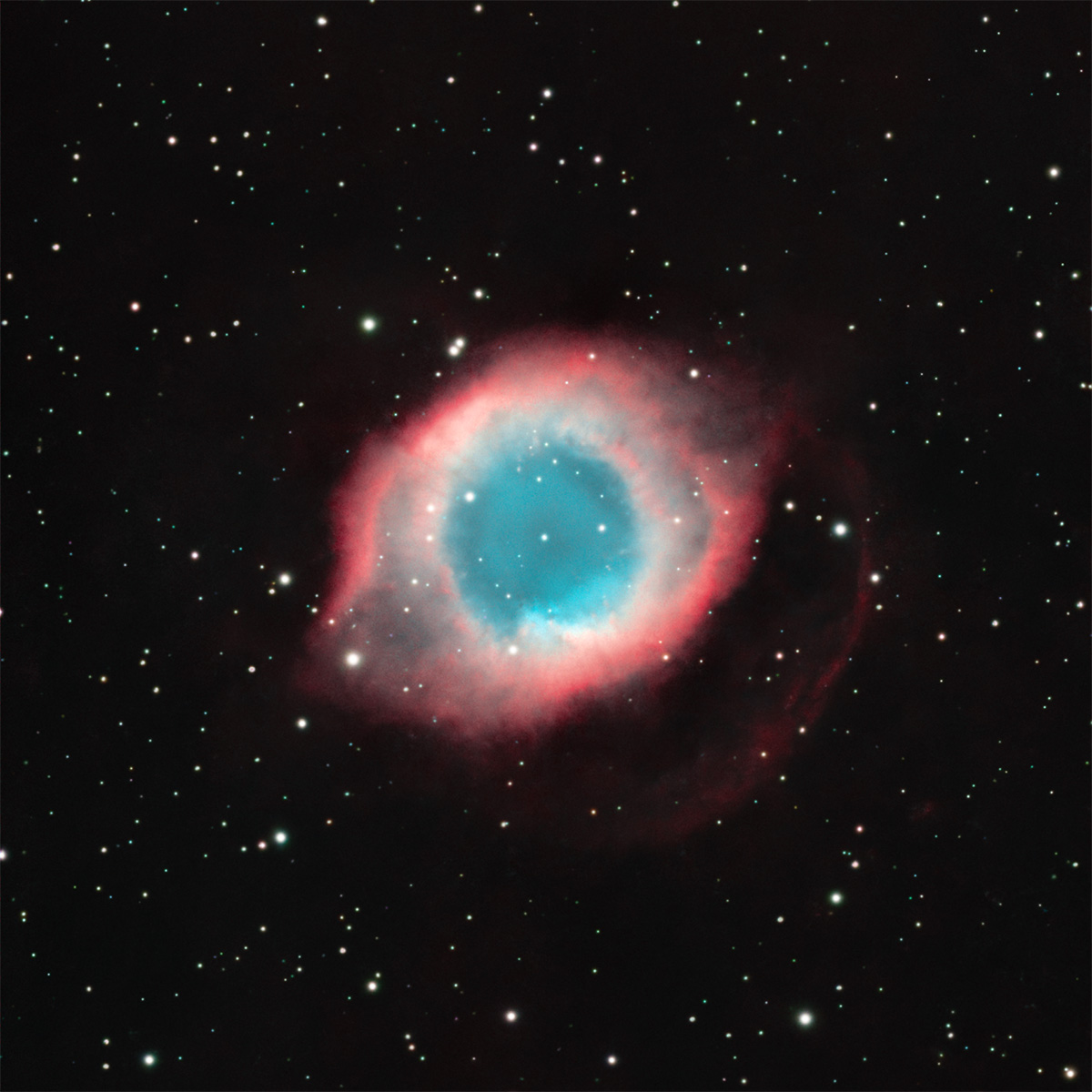
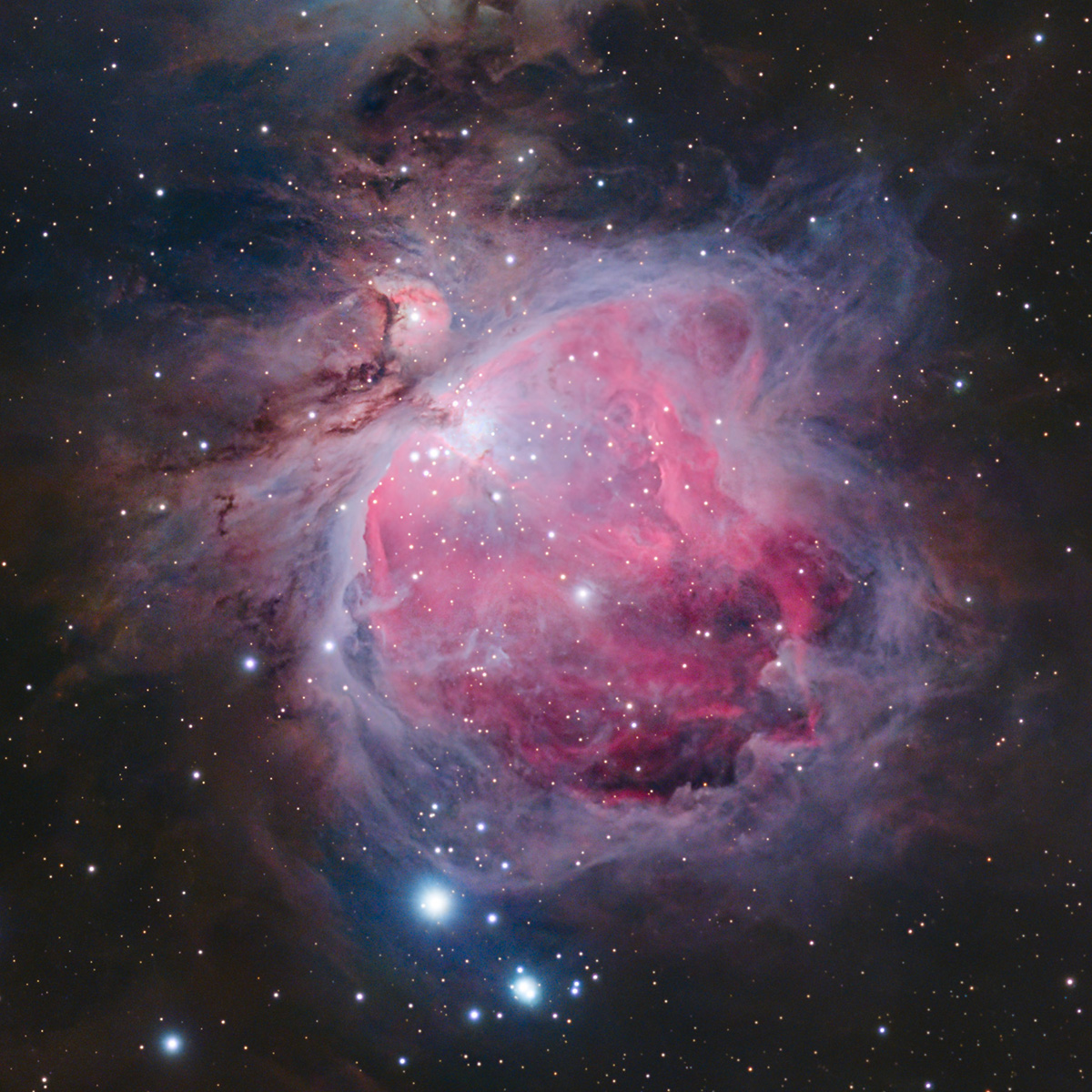
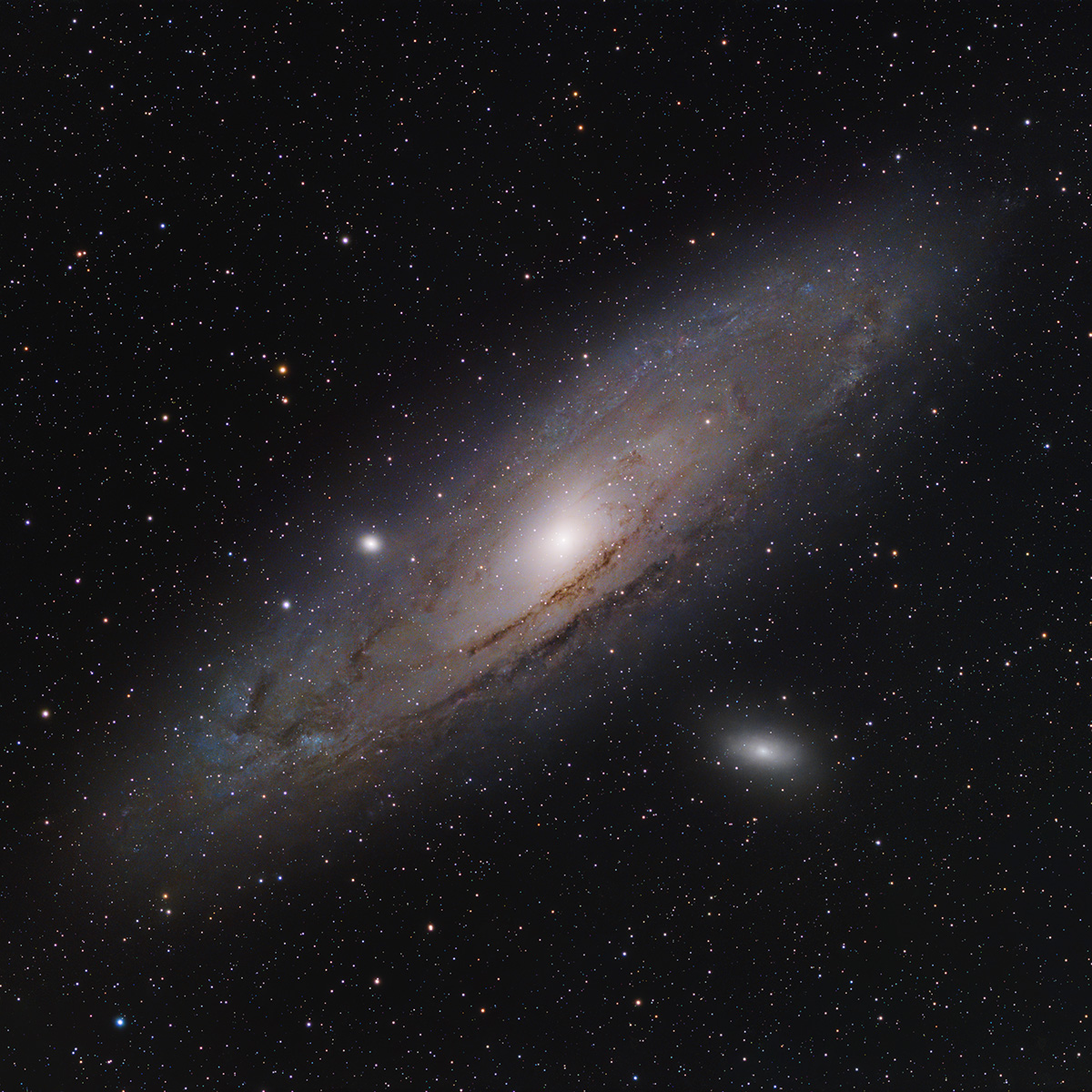
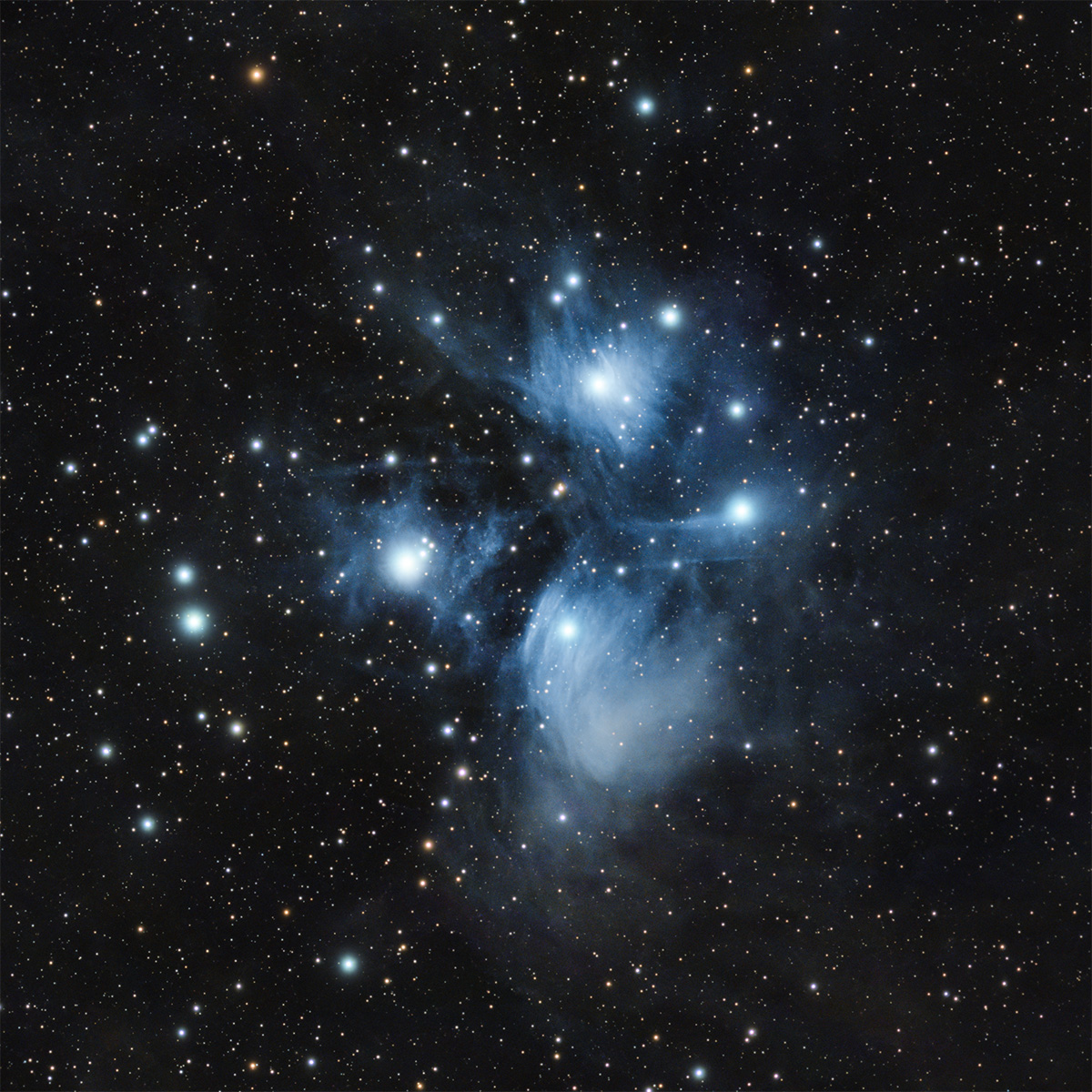
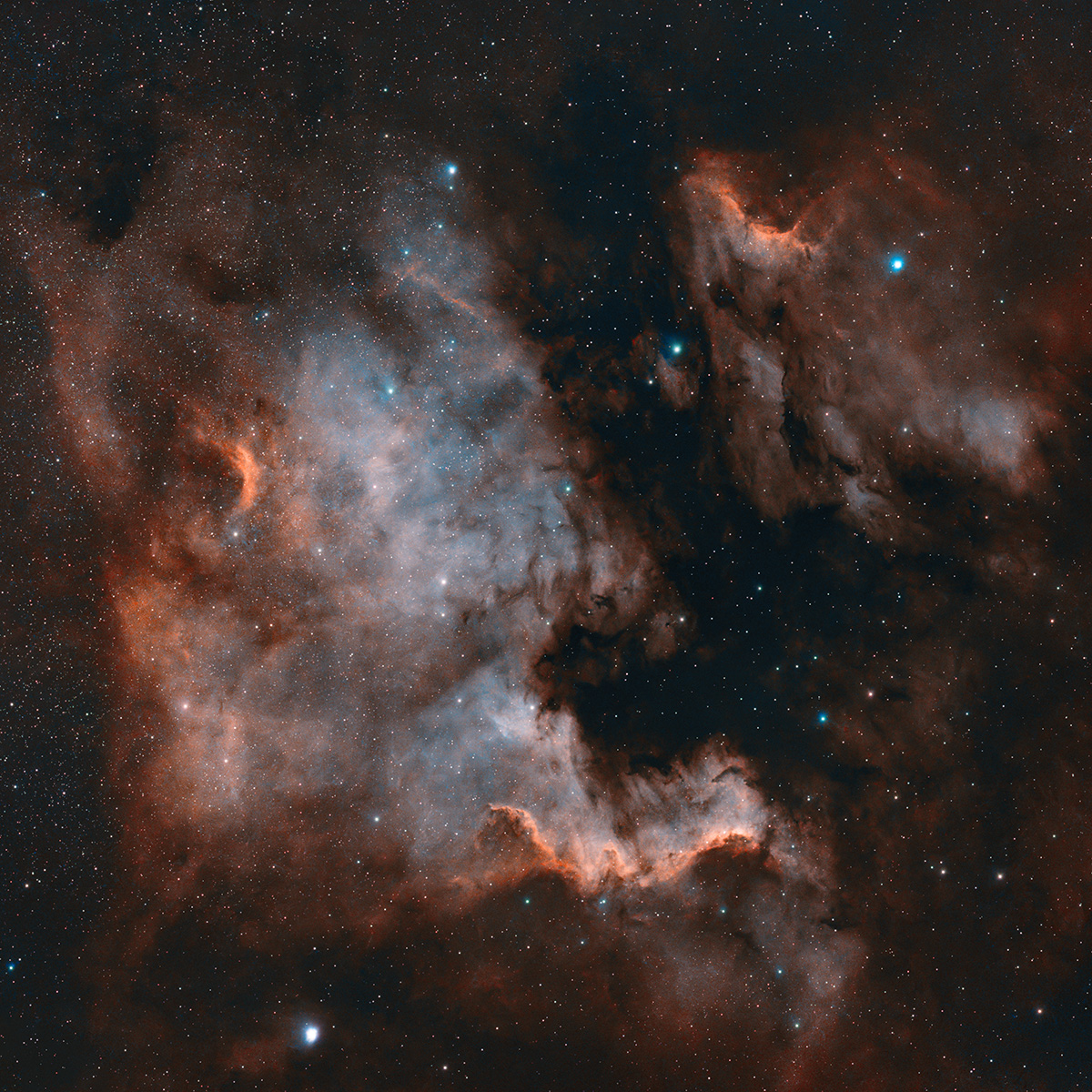
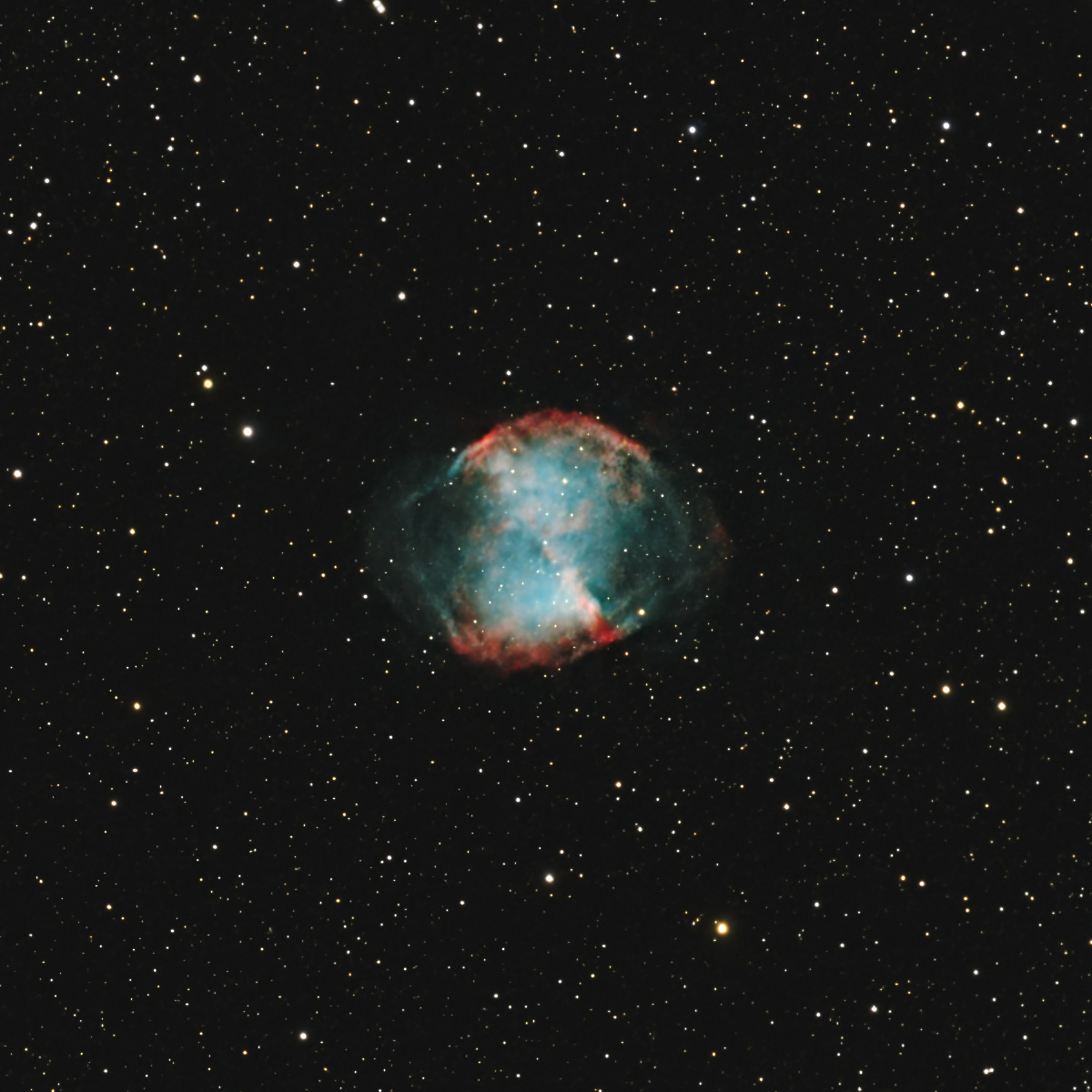
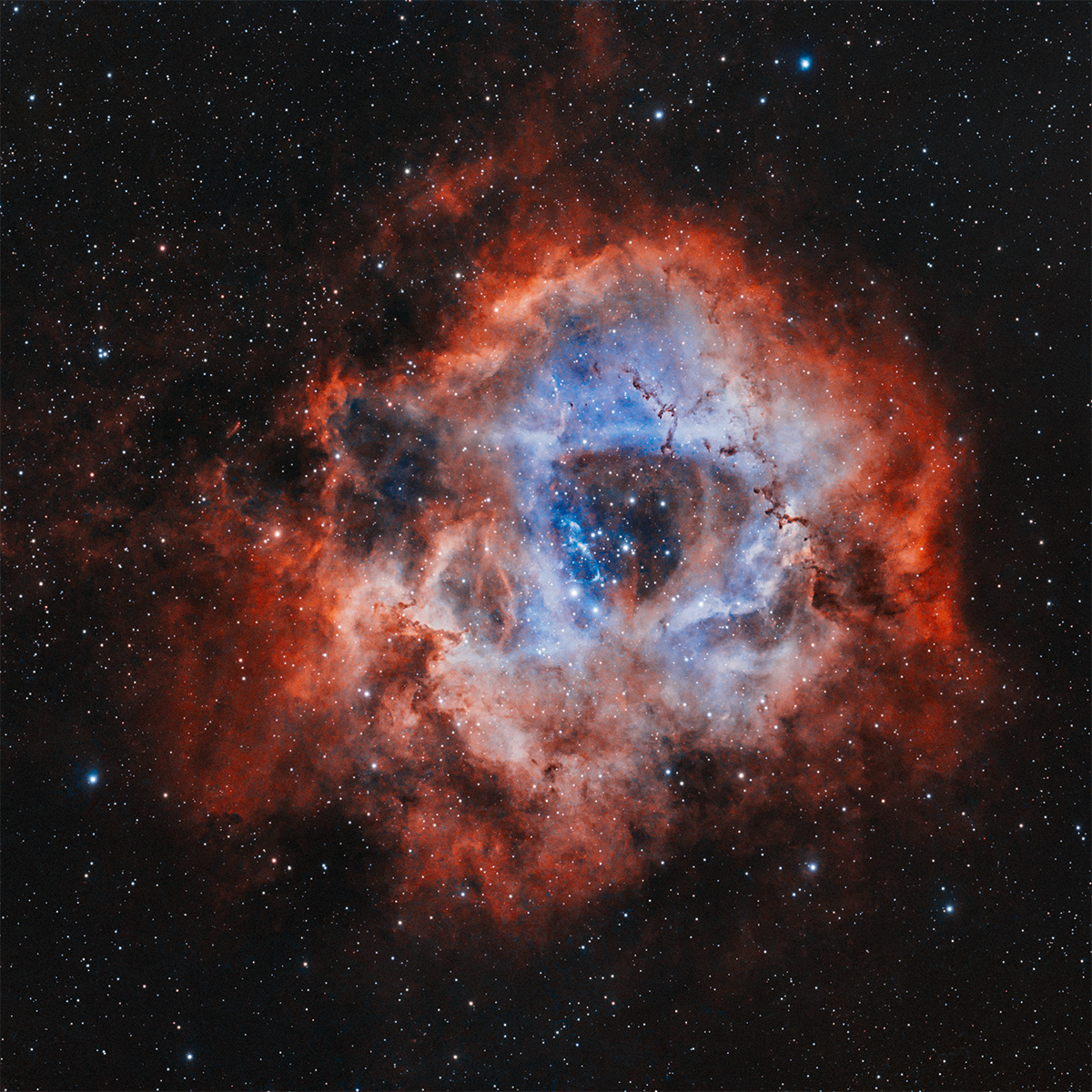
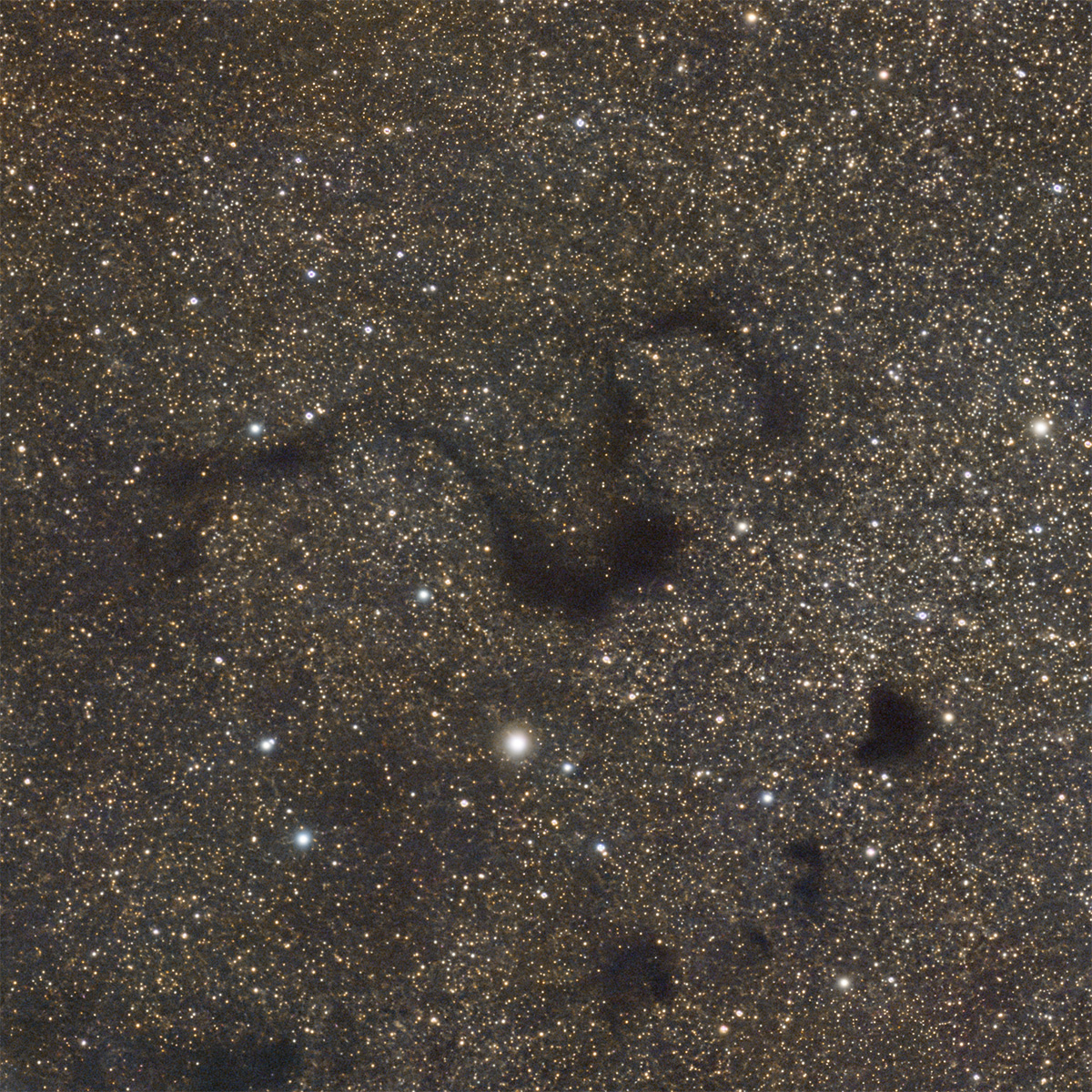
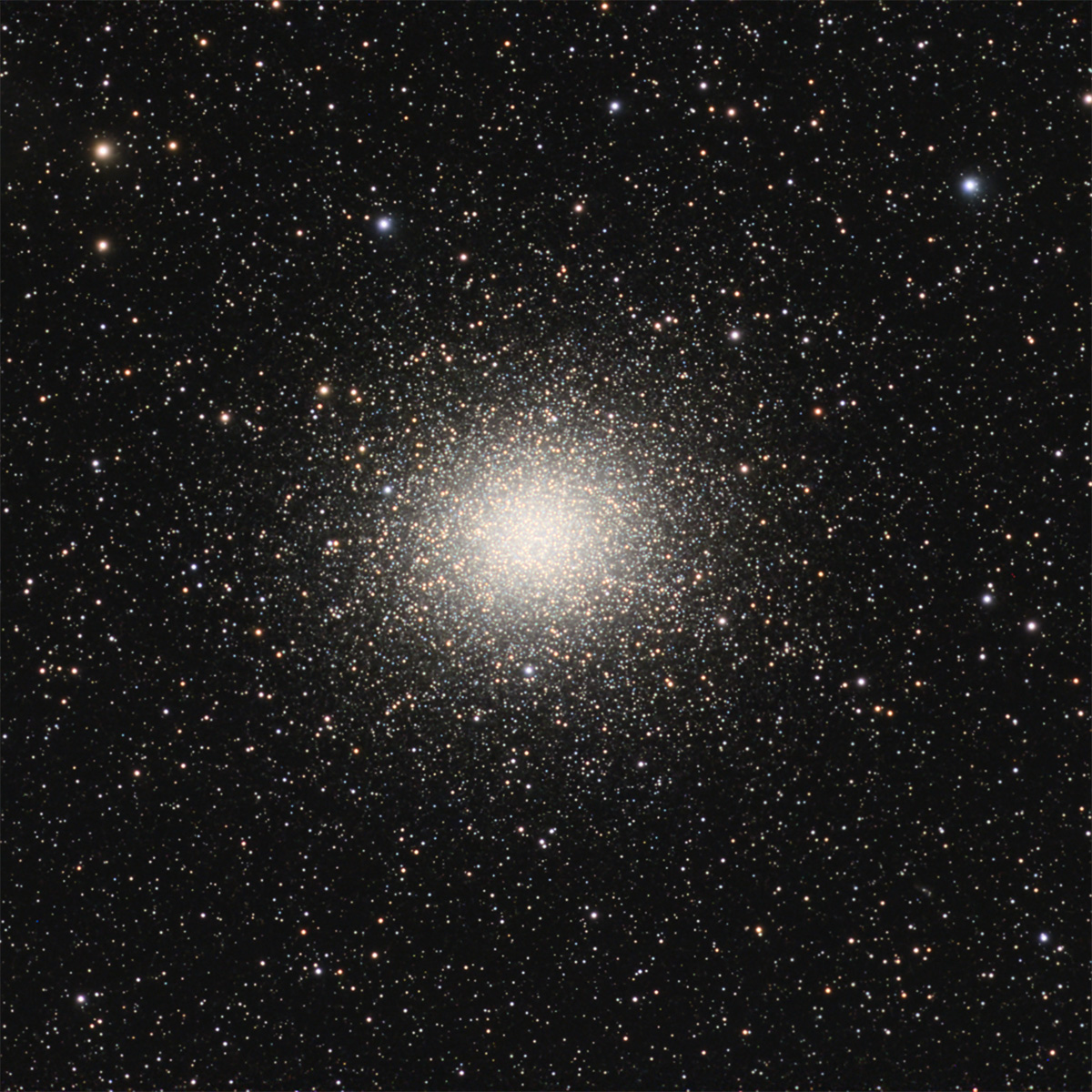
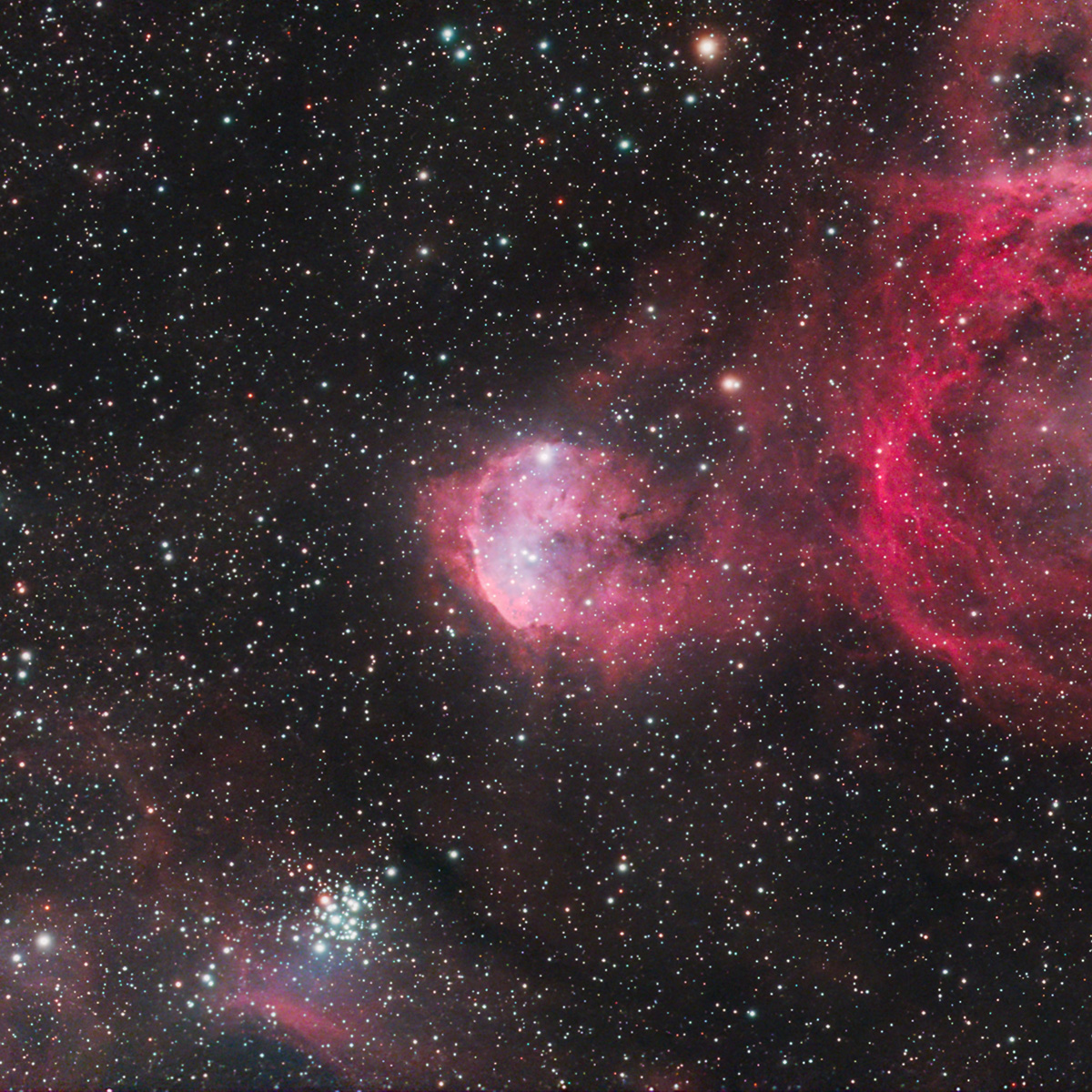
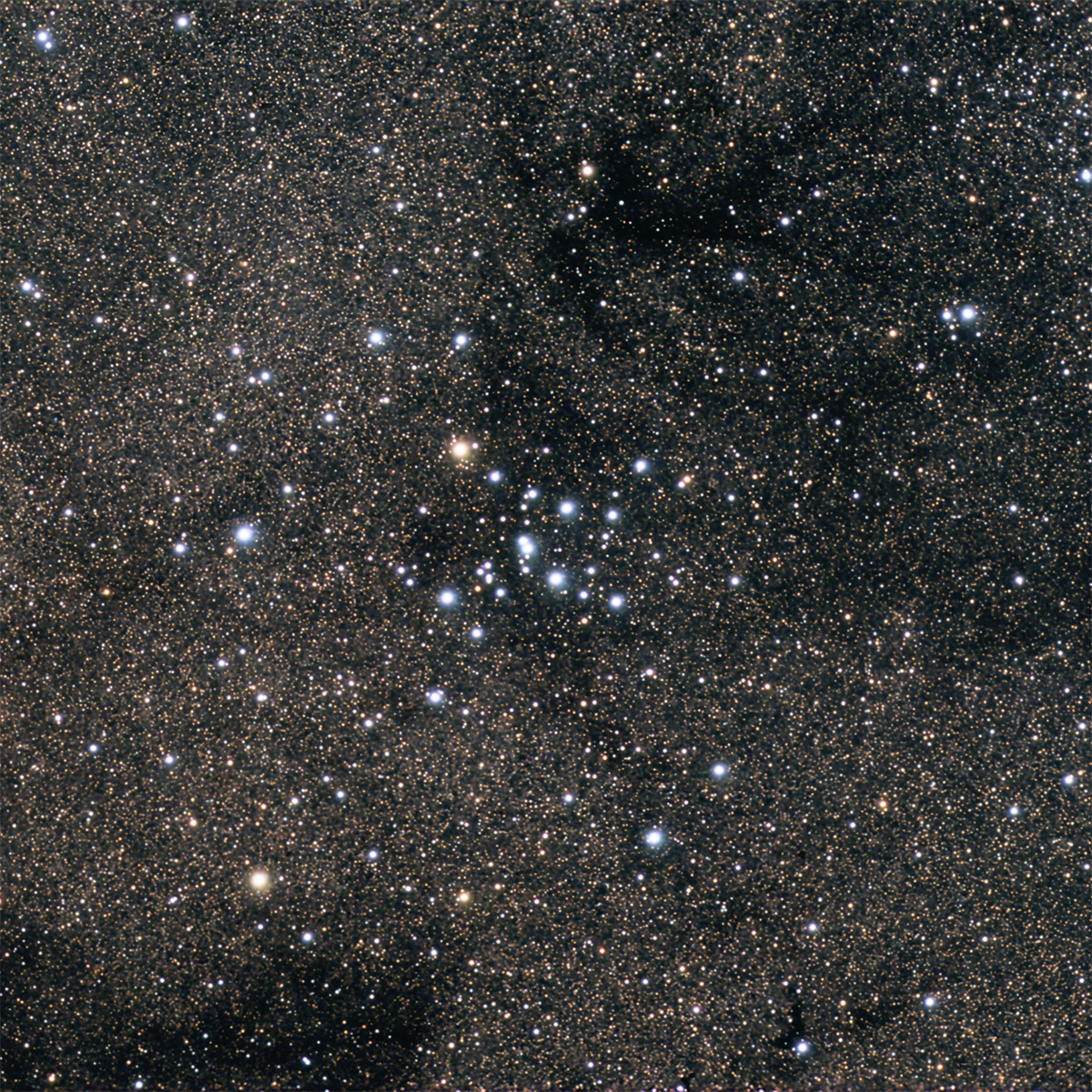
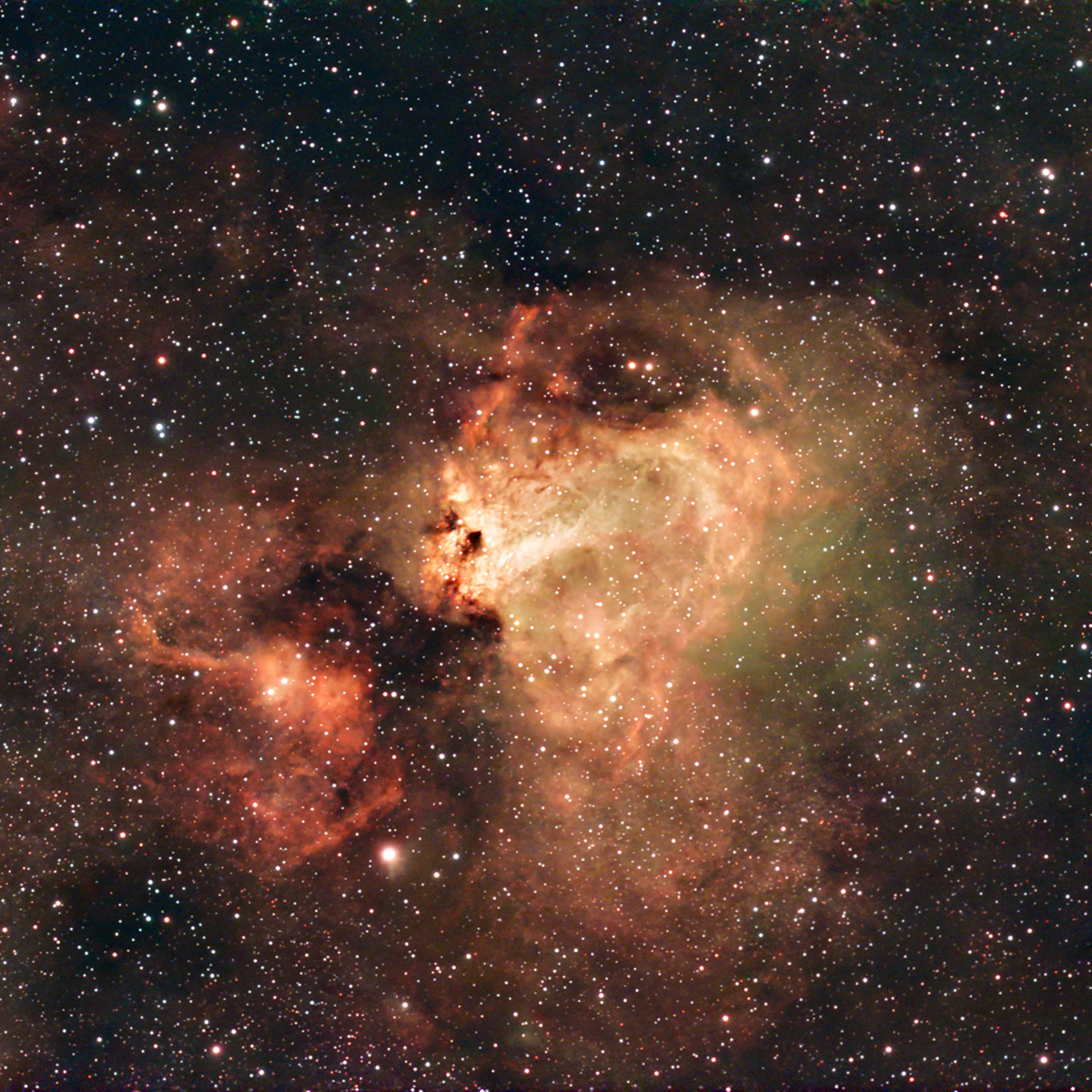
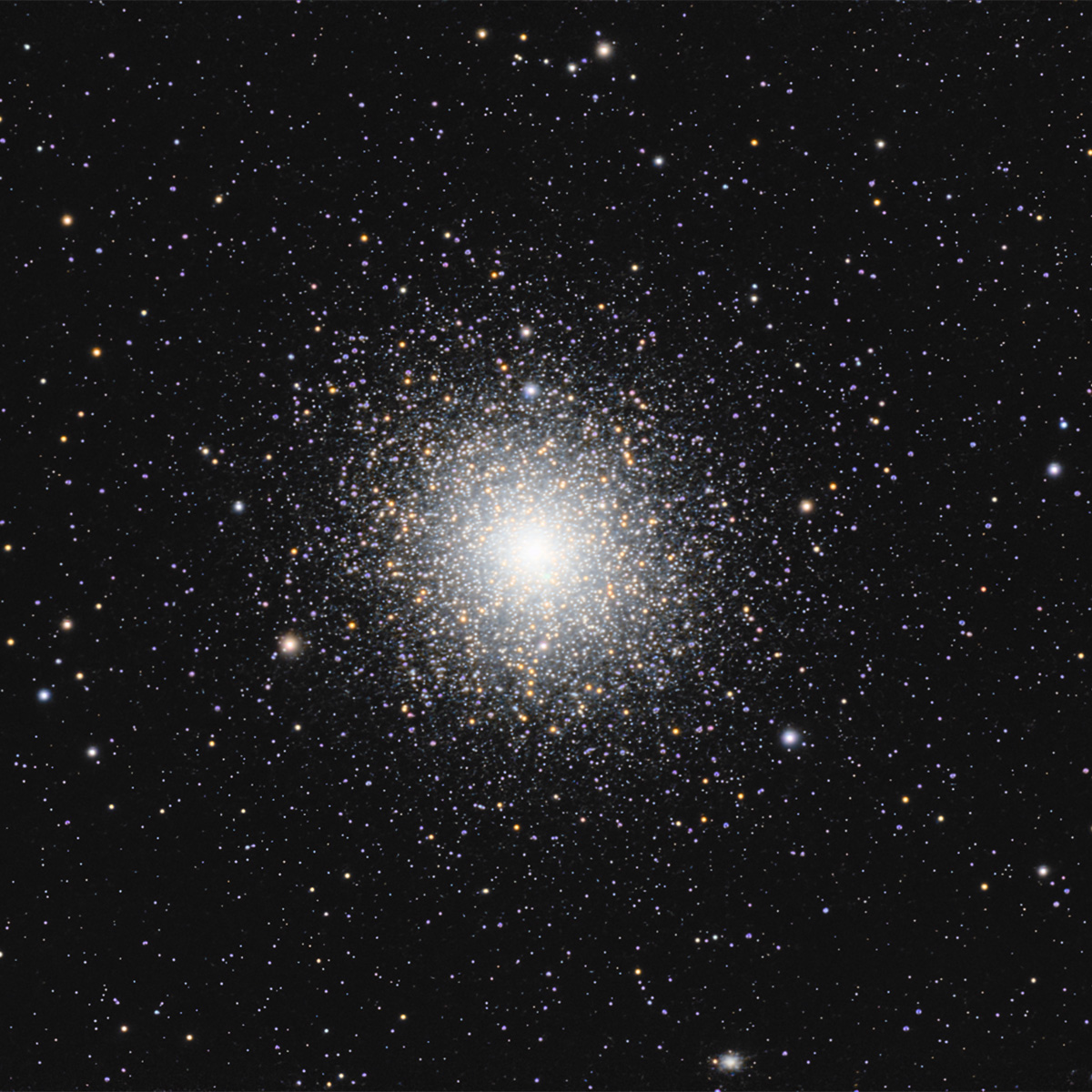
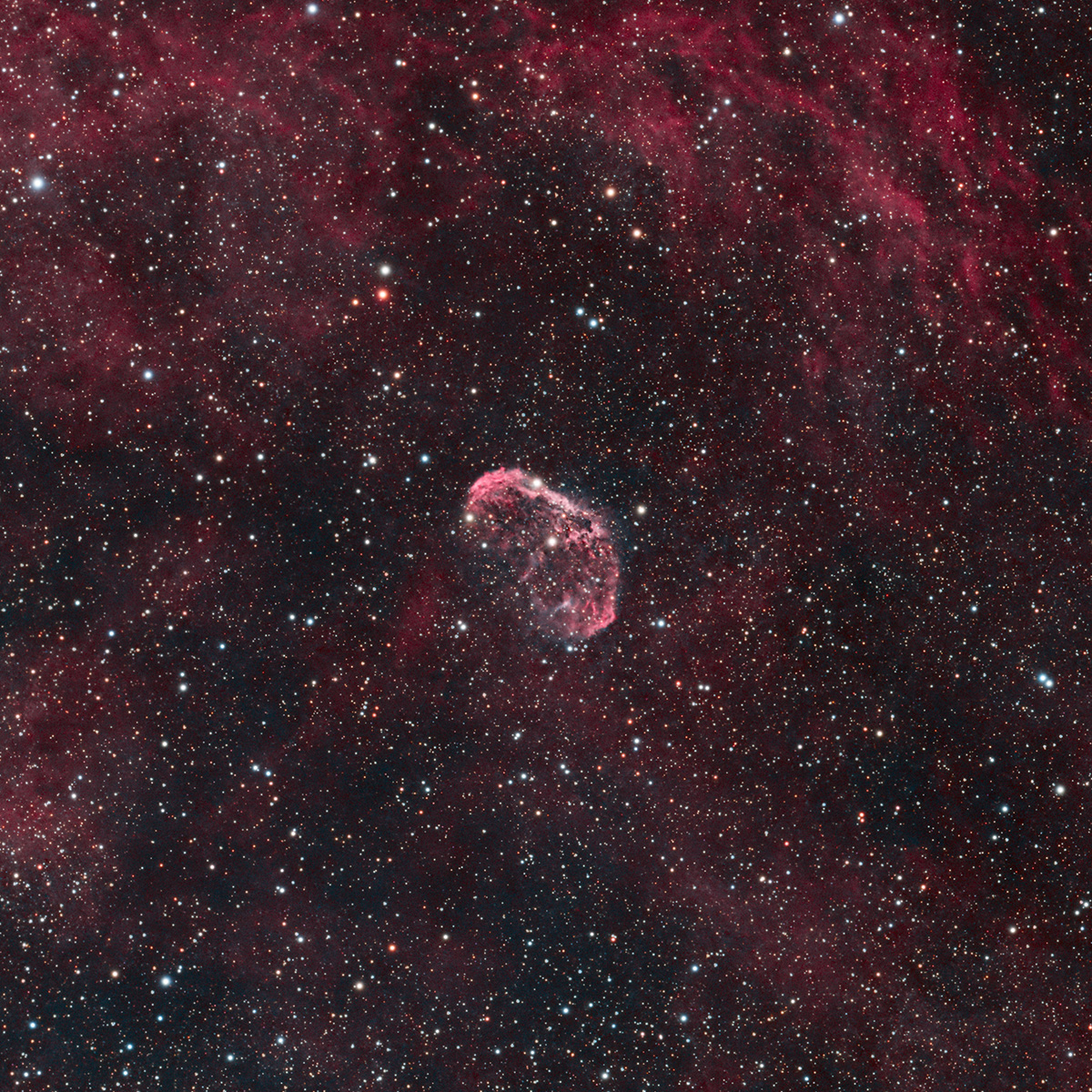
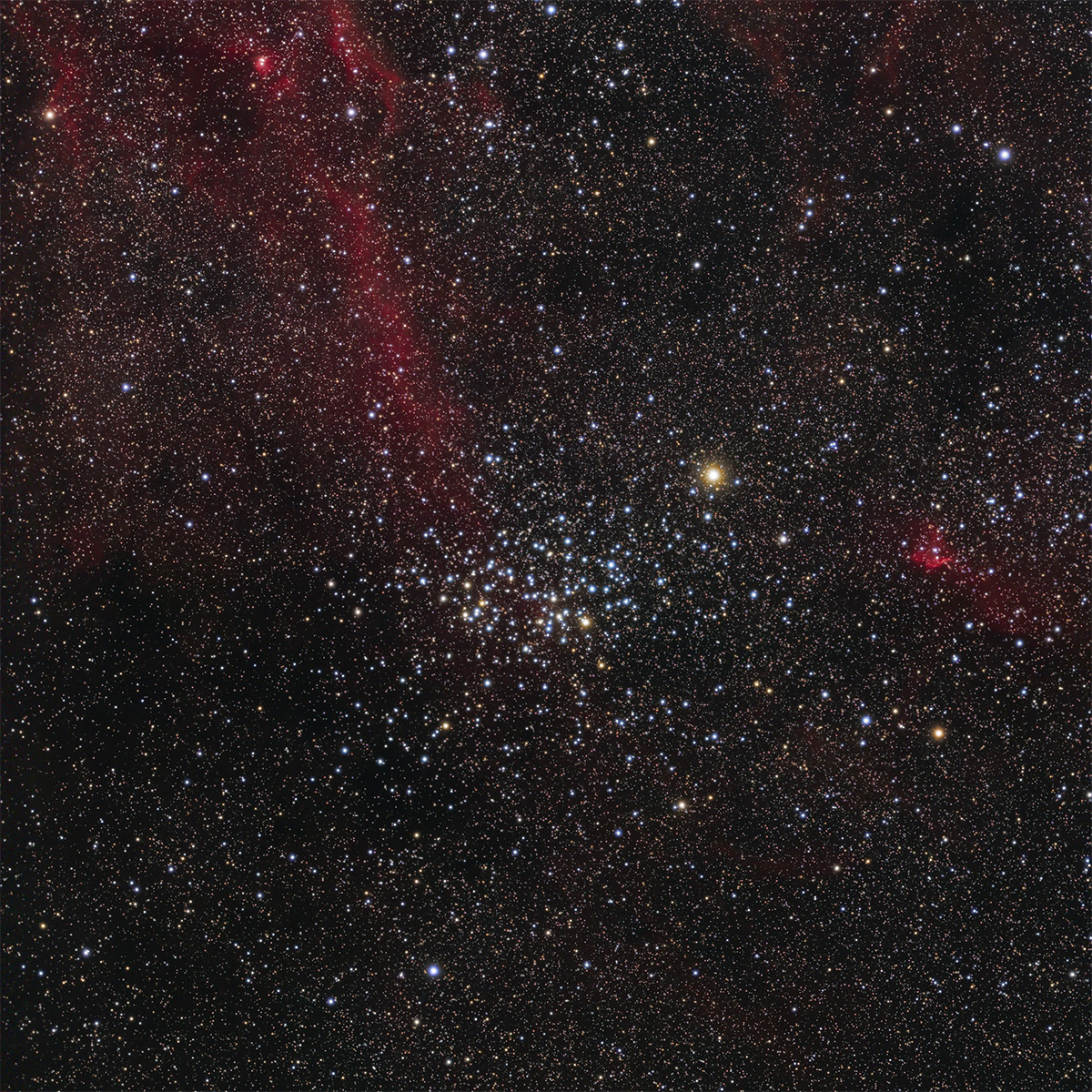
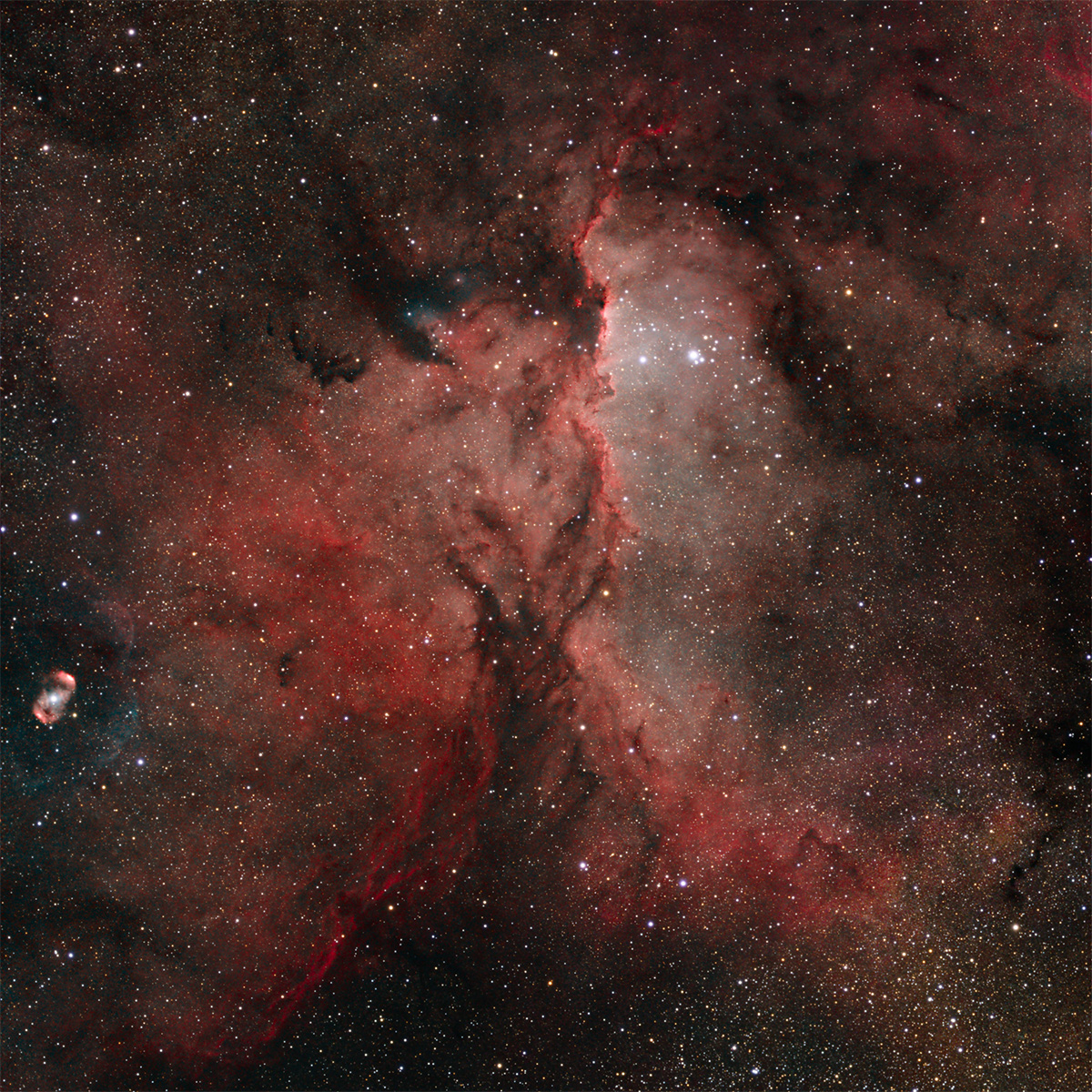
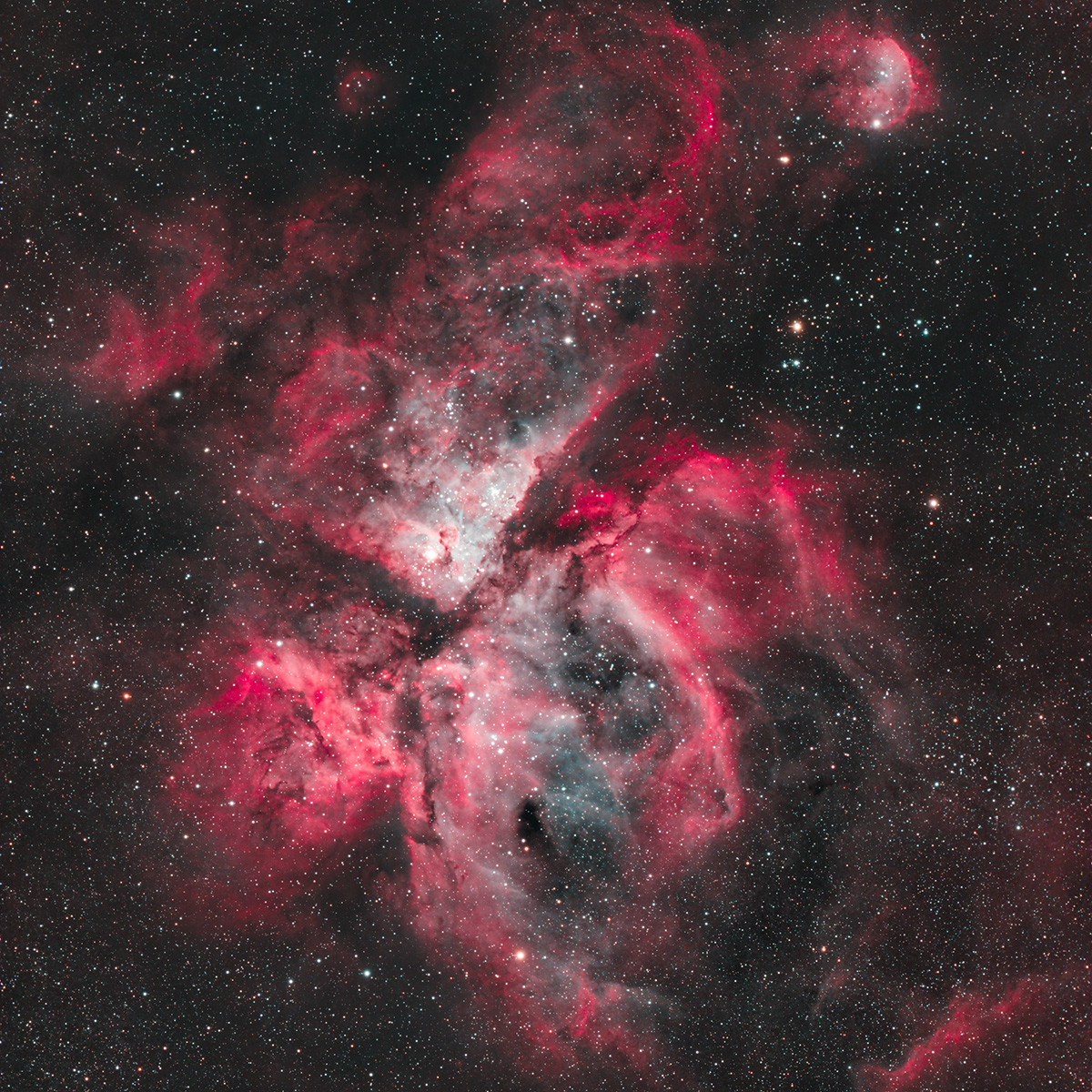
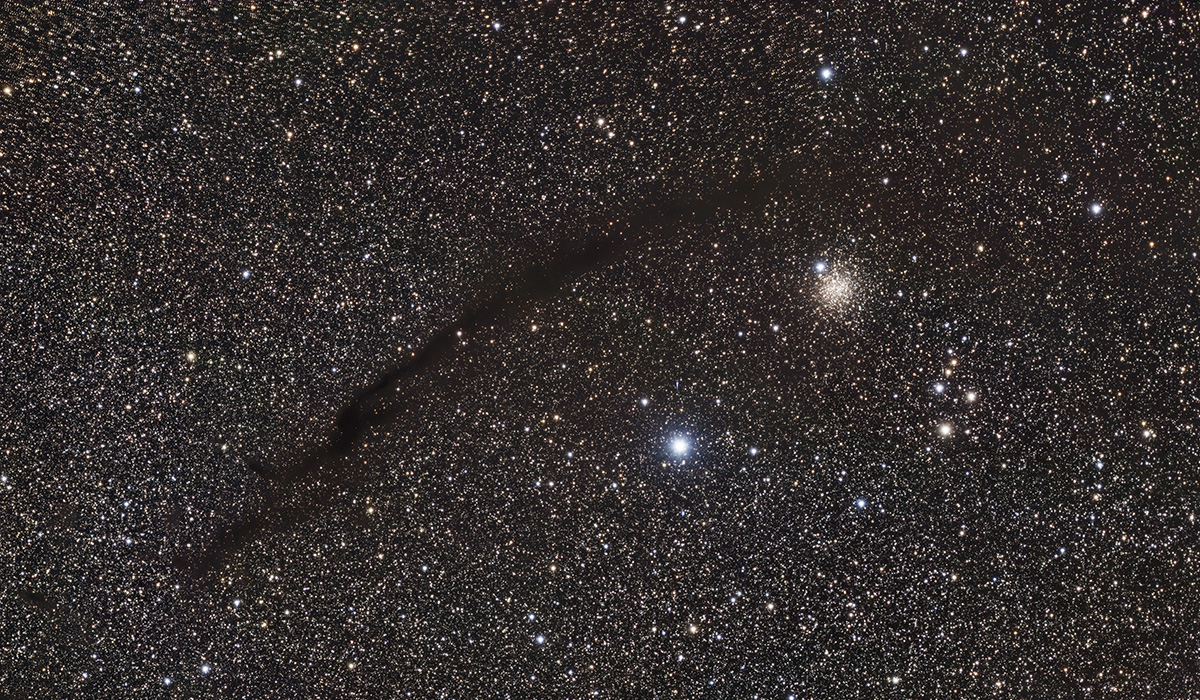
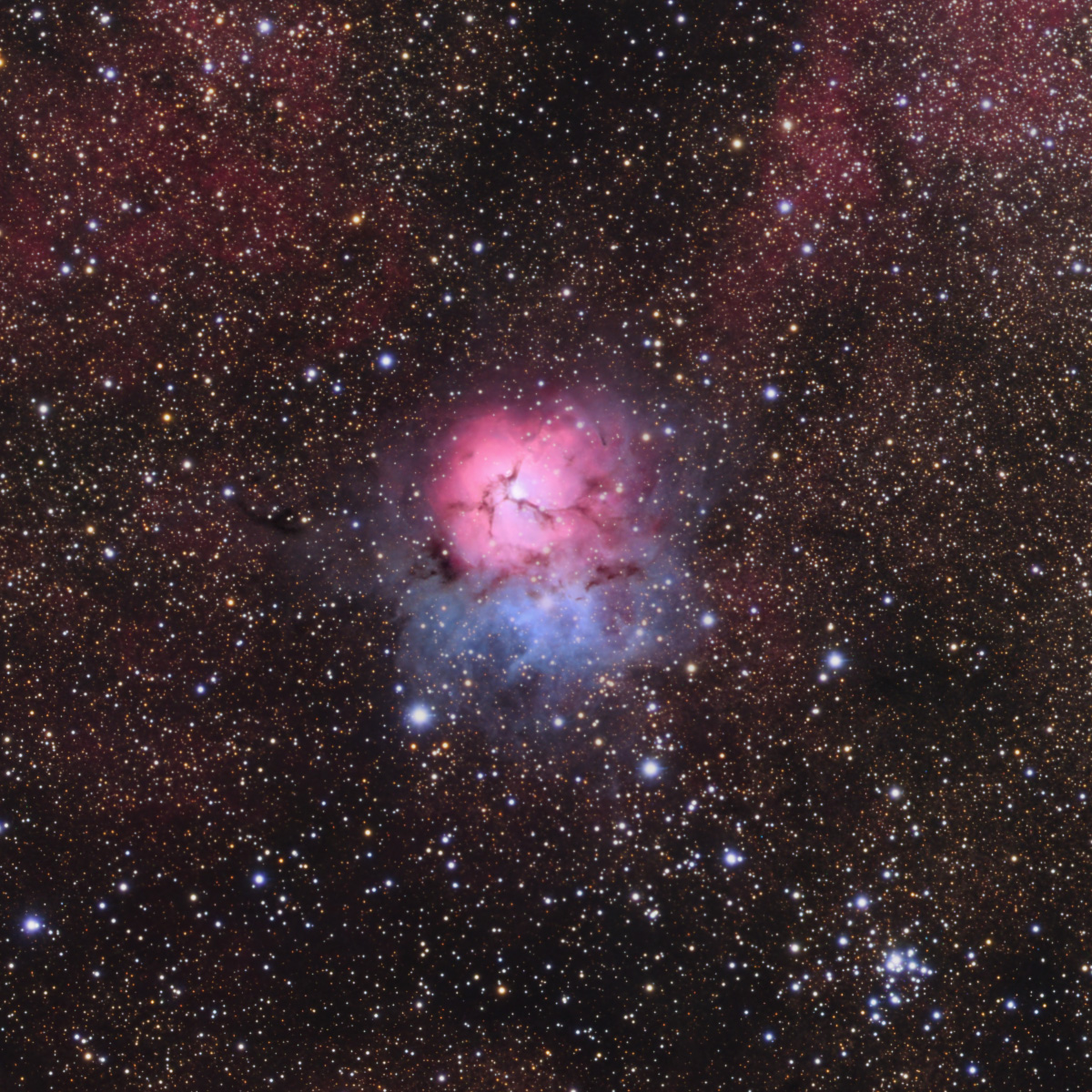
Stop wasting nights wondering what to image — or whether to bother going out at all. TonightPlan answers both: the cloud, the Moon and the dark window, then a short list of targets chosen for your sky and your gear. Every one personally rated, noted, and paired with a real image — most shot on the everyday gear you'd actually use.
What telescope do you have?
Calculate your field of view
Find pixel size and count in your camera's spec sheet
This is how much sky your telescope sees at once
Targets smaller than this frame fit in a single image. Larger ones may need multiple shots stitched together.
Where in the world?
TonightPlan needs your location to calculate what's visible tonight and when darkness falls.
Where are you usually imaging from?
This sets your default sky filter. You can always change it later.
Welcome to TonightPlan
Tim Ciasto
Astrophotographer
Think of this as an astro buddy who's been out on a lot of cold nights and wants you to have a good one too.
TonightPlan is a free planner for astrophotographers: what's worth photographing tonight, from where you are, with the gear you own.
It exists because planning a night shouldn't eat into the night. What's up tonight, when does it peak, what does the Moon do to it, does it work with your gear — answered before you go outside.
Most images in this app were taken with smart telescopes, compact setups, or camera lenses — the kind of gear most people are using. The goal wasn't to show what's possible with the best equipment and unlimited time. It was to show what a realistic session delivers.
Every image here is my own work — no stock images, and nothing from Hubble, Webb or any space agency. Where the raw data came from somewhere other than my own gear, the caption says so.
Every note comes from one of them, and every rating is mine.
Bruce McCammon · Butch Mohican · Ernest Epley · Mike O · Kirk Watts · Daniel Wagner · Kitsune84 · Daniel Fischberg · Christian Davrinche · Michael Gervais · Giancarlo Geroldi · Jeff Hoffman · Richard H · Dan Ponce · Clint Lemasters · Carol Neary · Mark Llewellyn · Stephanie Scholes · Martin Hudec · Kirk Keyes · Charles Lindsey · Rodrigo · AstroRN · Christopher Lorton · Eric Schmitz
TonightPlan · Version 1.0.0 · targets and counting. New features are added constantly.
Data sources
TonightPlan stands on other people's work. Here is whose, and under what terms.
Every image in the app is my own work, made with the gear and under the conditions listed on each card. What leaves your device — and what never does — is set out in Your privacy.
Your privacy
Everything TonightPlan stores about you stays on this device. A few services receive something when you use it, and none of them is sent a name or an identifier of any kind — the app has none to send.
Where the app's own data comes from — the forecast, the place search, the catalogue, the star charts — is set out in Data sources.
Settings
Your setup, and how to carry it to another device.
The gear behind the images in this app — mostly smart telescopes, a few other rigs I use when a target needs them, and remote imaging from a service for the targets I can't reach myself. Most of what you see here was captured with compact, accessible gear. The goal isn't to show what's possible with the best equipment and unlimited time. It's to show what a realistic session delivers — so you know what to expect when you point your scope at the same target.
Smart Telescopes
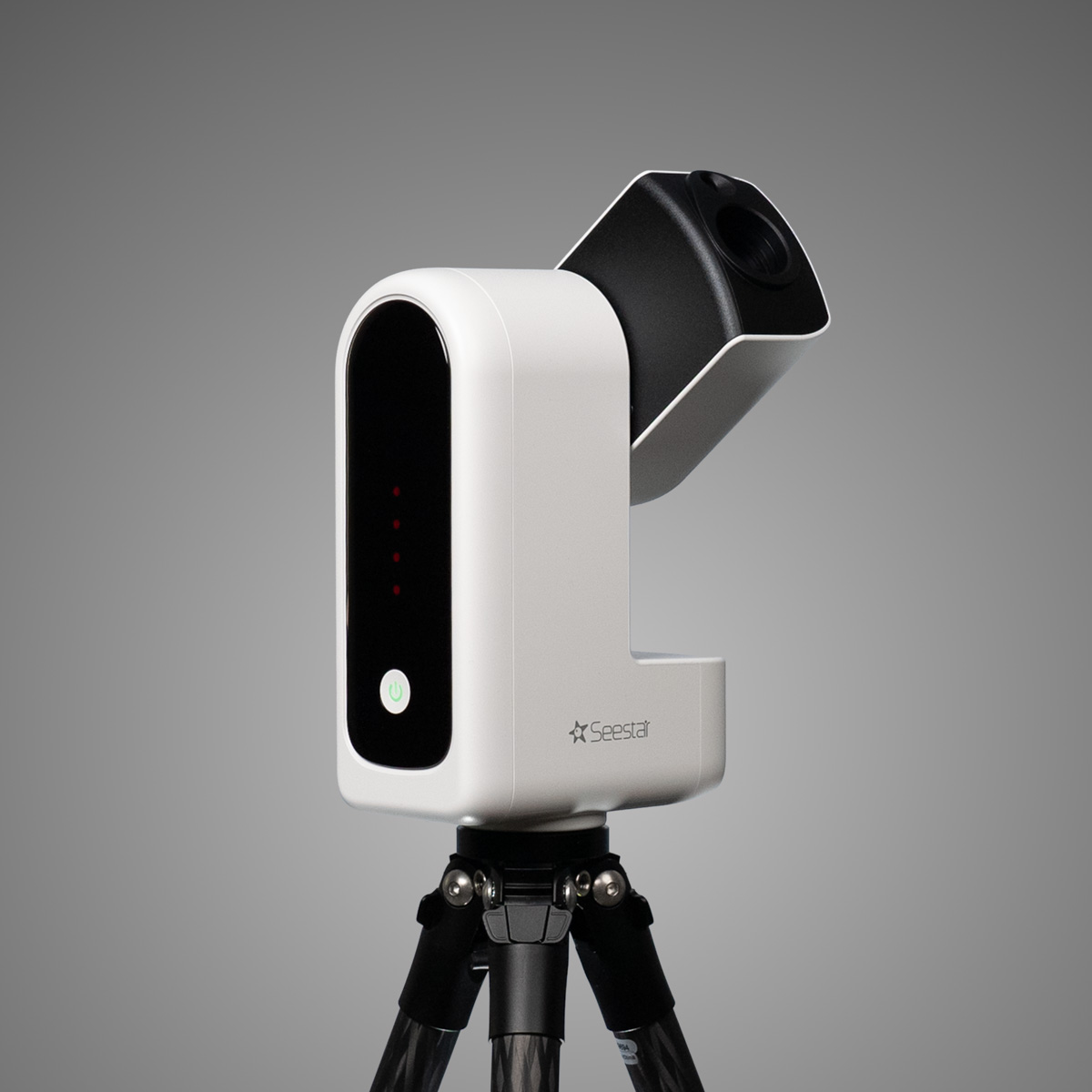
Seestar S50
Flawed, and still my go-to.
The Seestar S50 was a gift from a very generous supporter and friend. He has not influenced what I write below — but I want you to know about it.
The Seestar S50 was the smart telescope that reached a wide market, and ZWO deserves real credit for that — they made the format mainstream. At $499, it broke the price barrier — the Ford Model T of smart telescopes: not the first, but the one that put this format into everyone's hands. The software is the best in the category by a wide margin: powerful planning mode, mosaic mode, remote operation, frequent updates that genuinely add features. Equatorial mode with 30-second exposures works beautifully when there is no wind. Resolution and detail are good, especially in 4K mode. This is the scope I use most often — one in my backyard, and access to another at a remote hosting facility — my go-to for smaller targets like galaxies and smaller nebulae, and it handles the Moon and the Sun well too.
The compromises are also real. The price point shows in two places: mechanics and optics. Both axes have play, slewing sounds like a kitchen appliance, and tracking suffers in any kind of wind — neither unit handles wind well. Both show visible chromatic aberration — a purple halo around bright stars. I know how to fix it in editing, but I would rather not have to.
Despite all of that, this scope still earns its place. The limitations become things you work around rather than dealbreakers. The field of view can feel limiting on larger targets, which is why I reach for a different telescope when the structure is big. When the night is calm and the target is small, this scope delivers far above what the build quality suggests. ZWO has discontinued the S50 in favour of the S50 Pro, which is now on sale. On paper it answers most of what I complain about above — better tracking, better optics, and a bigger sensor with a wider field — and I'd expect that to be worth the price increase. But I haven't had one in my hands, and probably won't for a while. Everything I know about it comes from other people's videos, and I'd rather tell you what I actually think once I've used one myself.
Plus
Best software and feature set in the category
Amazing value for money
Strong resolution, especially in 4K mode
Full remote operation
Frequent firmware updates that add real features
Minus
Mechanical play in both axes
Struggles in any wind
Mediocre optics with visible chromatic aberration
Field of view can feel limiting on larger targets
Some firmware versions have been unstable
I earn a small commission if you buy through these links. It doesn't affect what I write above.
Where to buy
A few favourites with this scope
M51
M78
M1
NGC2359
NGC5128
NGC7293
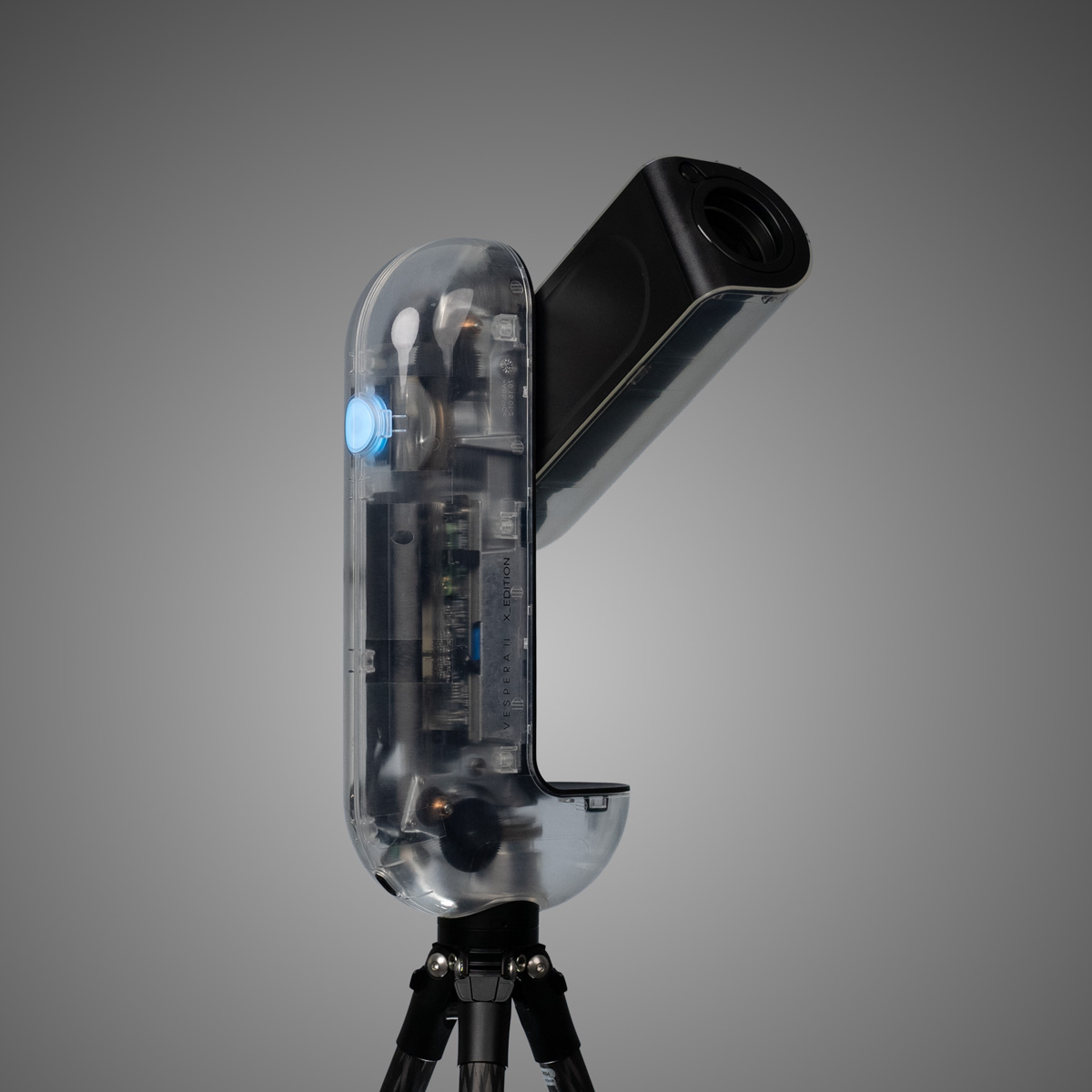
Vespera II (X_Edition)
This is my first smart telescope love.
The X_Edition is a limited edition of the Vespera II with a transparent housing. Optically and mechanically the two are identical — what I write below applies to both. Vaonis sent me the X_Edition and a set of filters. That makes me biased — keep that in mind as you read what follows.
The first time I took it to a dark sky and pointed it at M42, the result looked better than my first attempt at the same target three years ago — back when I was using an advanced rig and didn't yet know what I was doing.
The mosaic and multi-night modes are the best in the category. The 50mm aperture, 250mm focal length, and Sony IMX585 sensor hit a sweet spot between resolution and field of view. The mechanics are the best of any smart telescope I have owned — French engineering, solid, quiet, robust. You can feel the build quality the moment you pick it up. At €1,599 the Vespera II sits in a different segment than the entry-level smart telescopes, and the engineering is what you're paying for.
The limitations are real. It is heavy (5 kg), the battery does not last a full night so a power bank is essential, filters are sold separately and have to be changed manually, and the software leans toward simplicity in ways that occasionally feel restrictive. Alt-az only — no equatorial mode if you want one.
I use it mostly from my suburban backyard, with occasional short trips to rural skies nearby. When the target is large or the night is long, this is the scope I reach for first.
Vaonis recently announced the Vespera III at €2,490 — about 50% more than the II — with redesigned optics, stray-light shielding, improved image processing, full-night battery, more storage, and USB-C transfer. The optical improvements look real. The other upgrades — battery, storage, USB-C — are baseline expectations that could arguably have been there on the II already.
Plus
Best mechanical engineering of any smart telescope I have used
Quiet and robust
Quick and easy setup — just level it
Best mosaic mode
Easiest multi-night mode
Good optics and image quality
Minus
Heavy at 5 kg
Limited battery — needs an external power bank for a full night
Filters sold separately and must be changed manually
Software is easy but sometimes too simple
Alt-az only, no equatorial mode
No daytime / video use
I earn a small commission if you buy through these links. It doesn't affect what I write above.
Where to buy
A few favourites with this scope
M42
M31
M45
NGC7000 + IC5070
M27
NGC2237
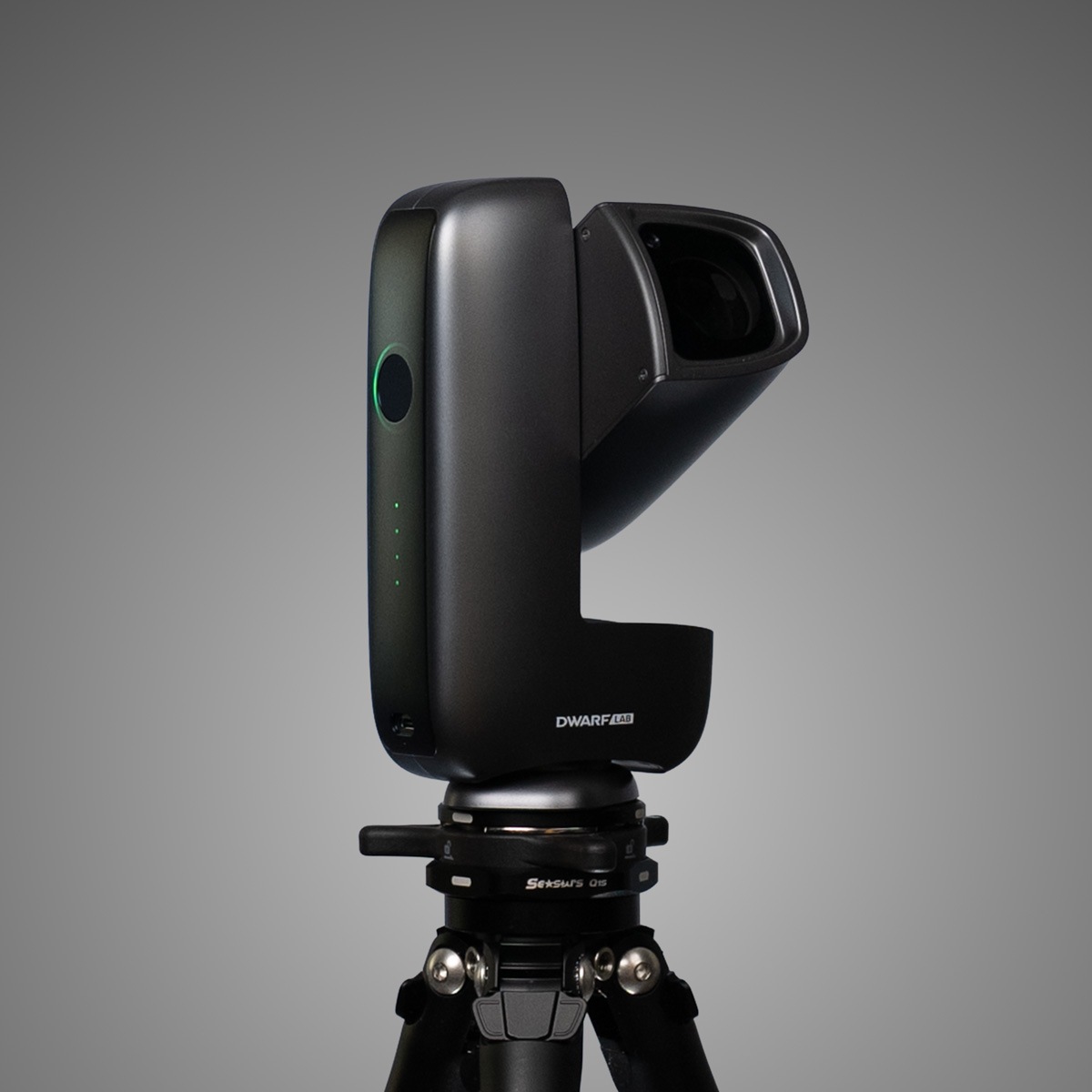
Dwarf Mini
A telescope this small shouldn't work this well.
When I first heard about the Dwarf Mini I did something I don't normally do — I reached out to DwarfLab and asked if I could test one. After some back and forth I decided to buy it myself instead, but they were out of stock. A few weeks later they sent me a Dwarf Mini and the mini tripod anyway, with full creative freedom over what I made with it. That still makes me biased. Worth knowing.
It is about as tall and wide as a large smartphone, just a few centimeters thicker, and still fits comfortably in a coat pocket. At around €400, it is also the most affordable smart telescope on the market, and it takes surprisingly good images of deep-sky objects. The sensor is small, the optics are small, and the results show their limits. Because the scope is so small, I take it everywhere — and that turns out to be the actual feature.
I just used it on holiday in Spain — southern targets I can't reach from Sweden, shot from a roofed terrace with limited visibility. It still worked. Those images are in the catalog now. For travelling light this is my top choice, and the dual lens system means it does deep-sky and Milky Way widefield in the same package.
The mechanics are excellent, the software is solid, and the image quality is genuinely impressive for the size. I haven't even started using the wide-angle lens for Milky Way work yet — that's still ahead.
Plus
Pocket-sized — perfect for travel
Dual lens system: telephoto for deep-sky, wide-angle for Milky Way
Solid software and feature set
Excellent mechanics, completely silent
Surprisingly good image quality for the size
Very affordable
Minus
Small sensor and optics have real limits
Best for social media; not ideal for prints
The field of view — the area of sky you can capture at once — can feel limiting at times
I'm struggling to find anything else negative
I earn a small commission if you buy through these links. It doesn't affect what I write above.
Where to buy
A few favourites with this scope
B72
NGC5139
IC2599
M7
M17
NGC104
Seestar S30 Pro
The wide-field one I kept wishing for.
The Seestar S30 Pro was a gift from the same generous supporter and friend who gave me the S50. He has not influenced what I write below — but I want you to know about it.
The Seestar S30 Pro has become my favourite smart telescope for large-scale deep-sky targets — and what makes it so good is as much the software as the optics/sensor combo. The Sony IMX585 sensor with its 160mm focal length gives a wide field that fits most large DSOs in a single frame, and when that isn't enough it leans on the powerful, mature software the whole Seestar line is built on: seamless mosaics, an intuitive and genuinely capable planning mode, and full remote operation.
The hardware gets out of the way, too. There is still a bit of mechanical play on both axes, and I don't yet know if it will affect tracking in windy conditions, but it's whisper-quiet — I have to put my ear right up to it to hear it slew — and it packs into a small soft bag instead of a bulky styrofoam case, light and a joy to travel with.
It isn't the scope for everything. On small targets like galaxies the image quality is there, but the short focal length resolves less detail than longer instruments like the Seestar S50 or the Vespera II/III and Vespera Pro. There's also a wide-angle lens mode for Milky Way landscapes, with panorama stitching as well as star trail images — I gave it a brief try and wasn't taken with the results; my phone delivers more pleasing wide-angle Milky Way shots almost instantly, so that feature isn't for me.
But for large deep-sky targets, it offers the most capable compromise on the market right now.
Plus
Wide field — fits most large DSOs in a single frame, with mosaic mode when it isn't enough
Sony IMX585 sensor at 160mm with true 4K capture — the best large-target compromise on offer right now
Noticeably better optics than its older brother the S50 — no visible chromatic aberration
Inherits the full Seestar software and feature set
Whisper-quiet in operation
Light, packs in a soft bag — a joy to travel with
Milky Way and star-trail features — a nice bonus, though not the main draw
Minus
Short 160mm focal length — less detail on small targets like galaxies
Out-resolved on small objects by the S50, Vespera II/III and Vespera Pro
I earn a small commission if you buy through these links. It doesn't affect what I write above.
Where to buy
A few favourites with this scope
NGC6888
NGC3532
NGC6188
NGC3372
Dark Doodad
M20
Beyond smart telescopes
Wide camera lens (14–35mm)
The largest targets — entire constellations, wider sections of the Milky Way.
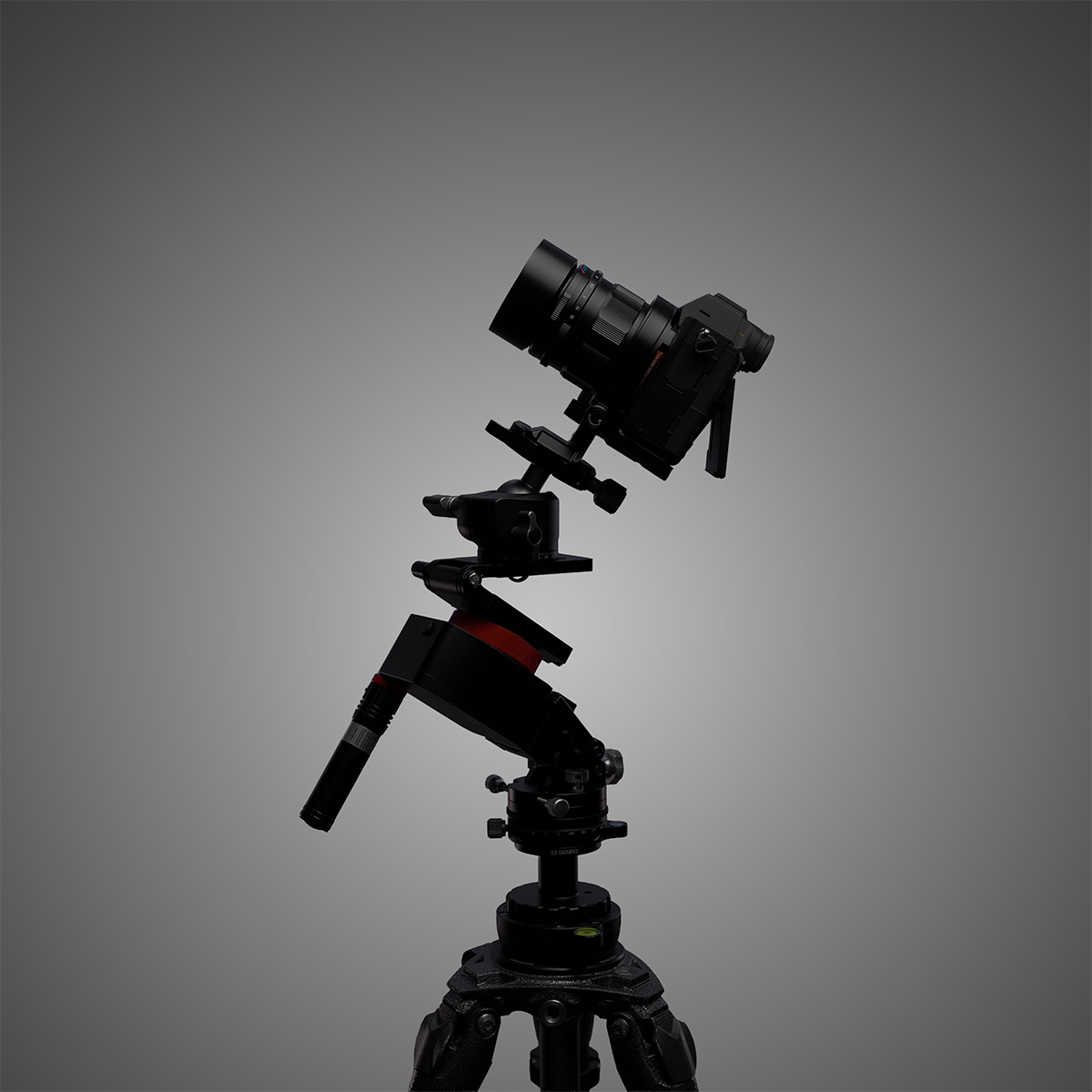
A camera and a wide prime lens on a small motorised mount that follows the stars. This is the rig for the largest targets — entire constellations, wider sections of the Milky Way, dust complexes that span more sky than any telescope can show. A 14mm lens captures the largest structures in a single frame. Setup is quick and the whole rig fits in a backpack.
Star tracker (50–135mm)
The same idea with more focal length.
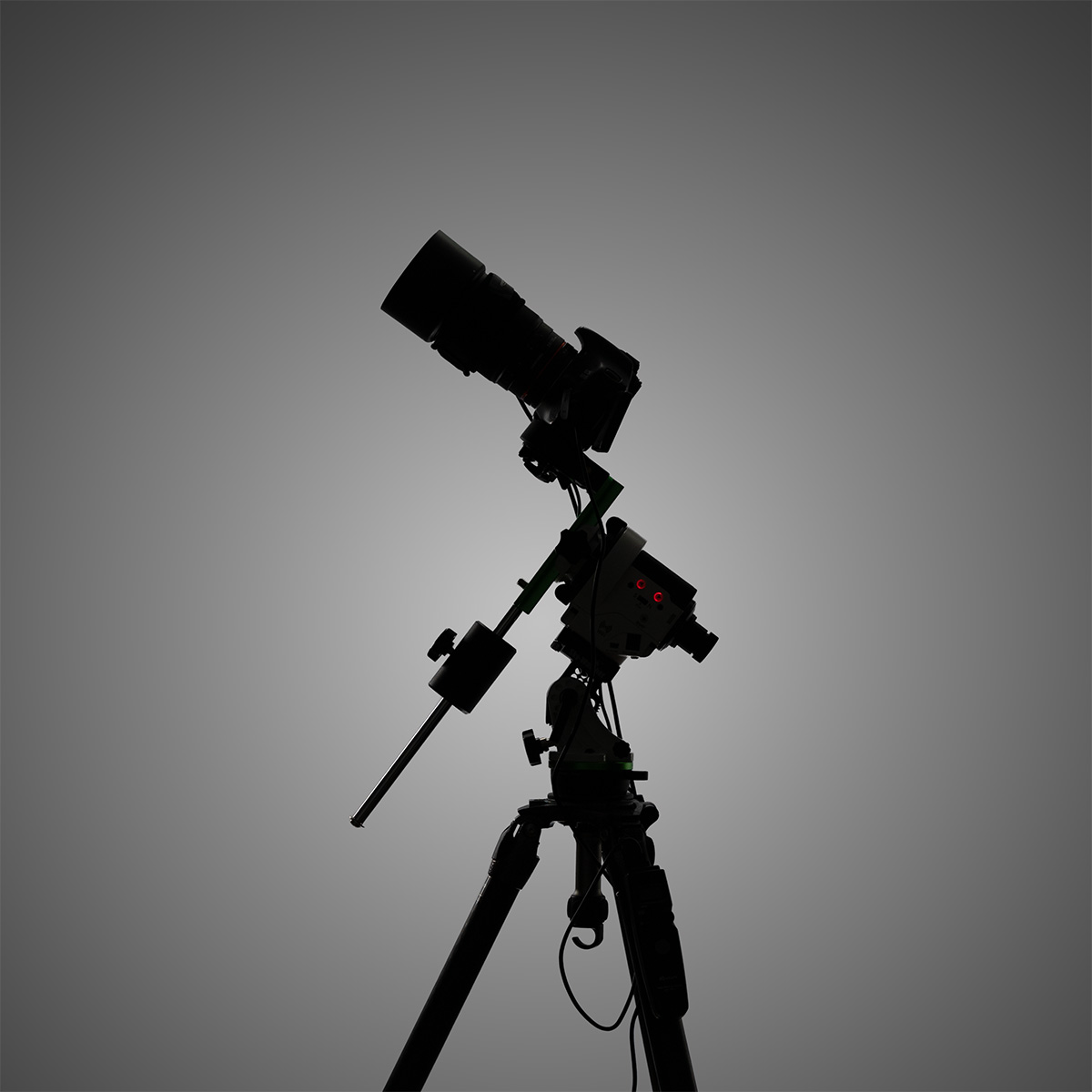
A camera and a longer prime lens on a small motorised mount that follows the stars. This narrows the view to single targets too large for most telescopes — Rho Ophiuchi, the wider emission complexes, dust regions you reach into rather than across. Still light, still portable, still a few minutes from car to first frame.
Wide field — small APO refractor (~250mm)
The first step into telescope territory.
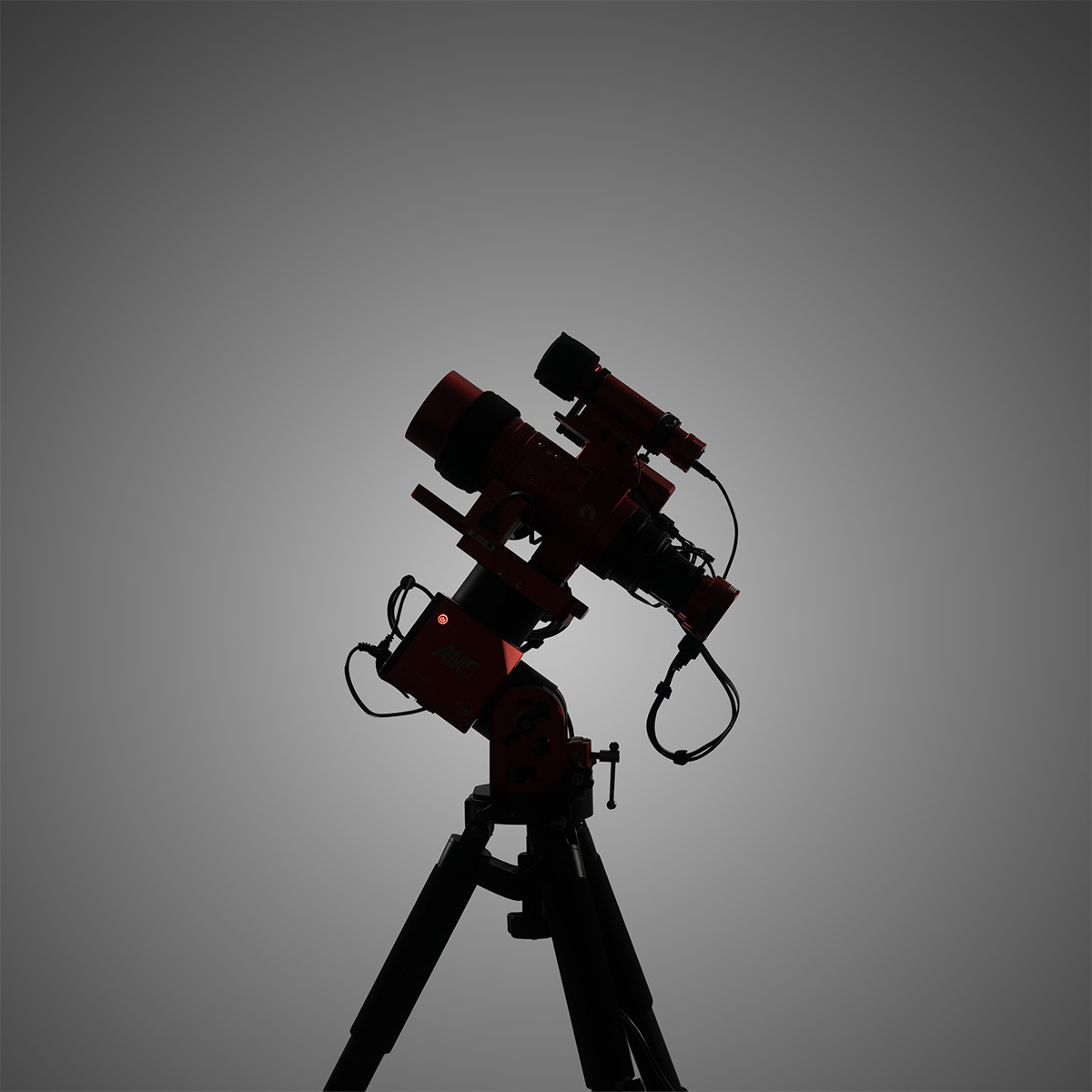
The first step into telescope territory. A small APO refractor on an equatorial mount with a dedicated astronomy camera — short enough for large nebulae like the North America Nebula, the Andromeda Galaxy or the Eta Carinae Nebula as a whole, sharp enough to resolve real structure. Faster than longer telescopes and a lot more forgiving. A rig like this taught me the basics of astrophotography.
Wide field — medium rig (400–800mm)
The workhorse of deep-sky imaging.
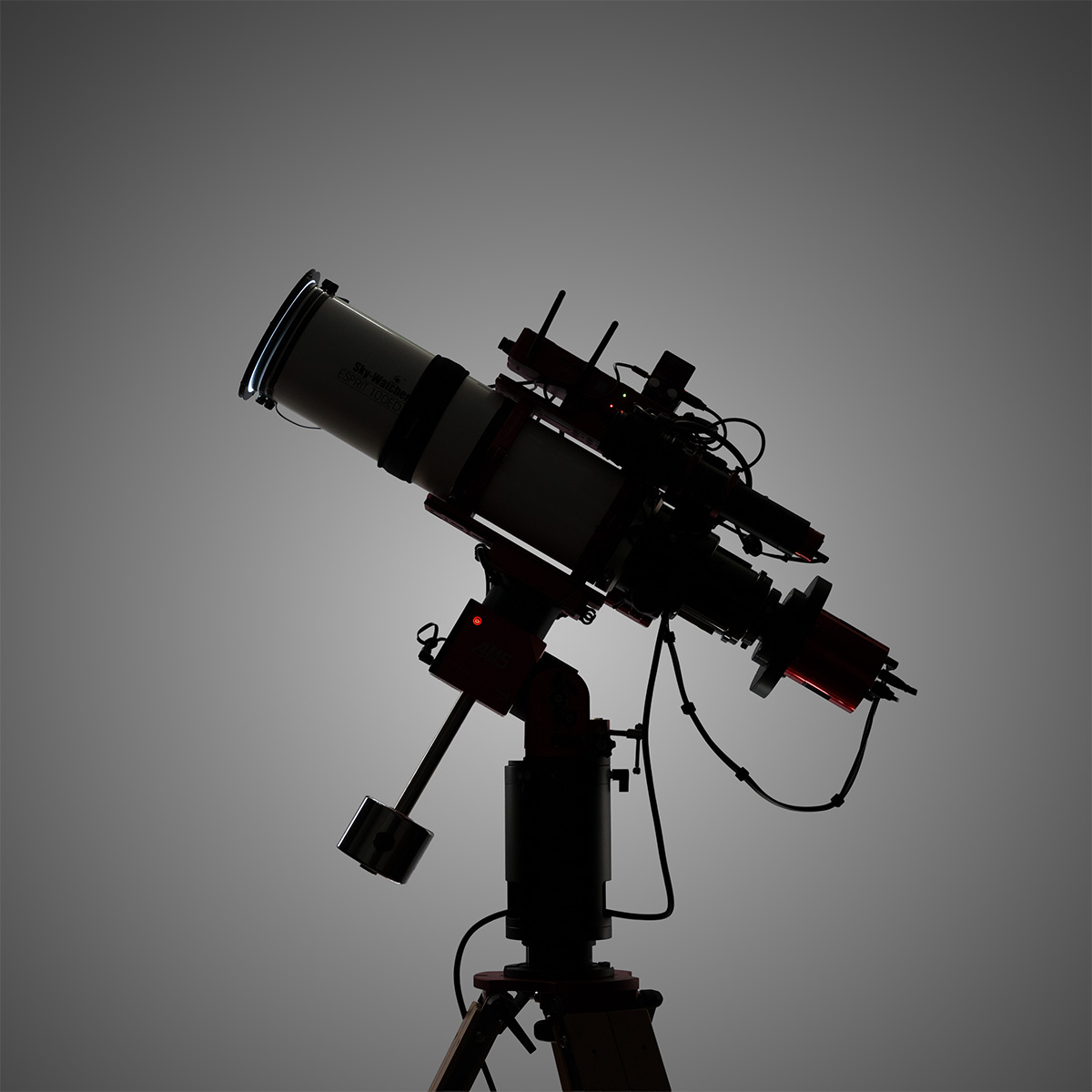
A medium sized refractor (4-inch) or a 6-inch imaging Newtonian on a sturdy equatorial mount with a dedicated astronomy camera. This is the workhorse of deep-sky imaging — the focal length and resolving power that handles most targets well, except for the smallest ones like tiny galaxies and planetary nebulae. Pair it with a mono camera and dedicated filters and the optical quality starts to show what it's really capable of.
Deep field — large rig (1000mm+)
Where committed starts.
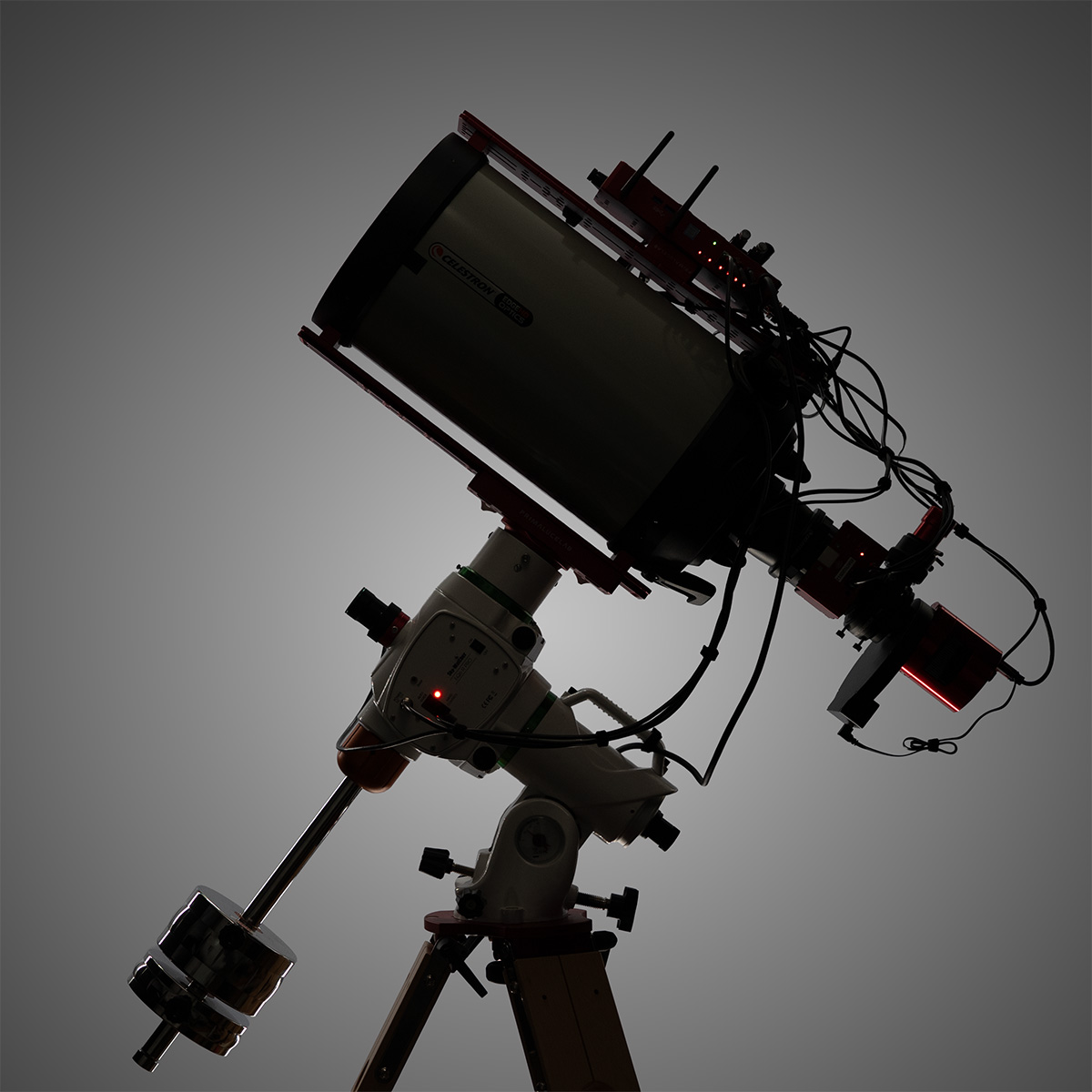
Where committed starts. A large refractor (150mm aperture or more), an 8-inch or larger Newtonian, or a Schmidt-Cassegrain like a C8, C9.25 or larger — all on a sturdy equatorial mount. Reaching into the targets a smaller refractor can't — small galaxies, planetary nebulae, anything that demands resolving power. The smallest targets still don't give easily, even here. To me, this is roughly the upper limit of what makes sense without a dedicated observatory.
No telescope at all
Some images in this app were made from data I didn't capture myself. Telescope.Live is a remote-imaging service: instead of owning a telescope, you work from a large archive of datasets captured by their telescope network, pick the ones you want, and process the result yourself. That network has grown well beyond their own observatories in Chile, Spain and Australia — it now includes a Partner Network of vetted astrophotographers contributing data from their own rigs under dark skies. I've used their data for years — for images on my channel, on my website, and now here in this app. You don't need to own a telescope to start. All you need is good data, curiosity, and the willingness to learn.
I have a referral arrangement with Telescope.Live. The code below gives you a discount and credits me a small commission. It doesn't affect what I write above.